
Skin wounds can take time to heal, but there are ways to speed up the process. ZOE DELEUIL talks to pharmacist and wound clinician Lusi Sheehan to learn more.
For many of us, wound care is something we only think about when we injure ourselves and need to track down a band aid. But for pharmacist and wound educator Lusi Sheehan, it’s both a passion and a career.
Lusi first became interested in wound care while completing a post-graduate course at Monash University, where she realised that community pharmacists can play a key role in helping people both prevent and heal wounds.
“We see a lot of wounds in Australia,” she says. “We have a hot, harsh climate in some areas, plus there are lifestyle factors such as diet, activity levels and chronic medical conditions such as diabetes, cardiovascular disease and lower leg oedema that may contribute to the high rates. For community pharmacists, it’s important to have strong wound care knowledge for when people come to us.”
Here are Lusi’s tips for looking after your wounds.
1. Prevention is better than cure
For those living with diabetes, Lusi says, it’s important to both prevent injuries and care for them when they happen. This is because there is an increased risk of a foot injury, for example, turning into a diabetes-related complication.
If you’re living with diabetes, prioritise checking your feet daily for any changes and injuries and protect your feet by wearing well-fitted shoes that are suitable for the activity.
An annual check with a podiatrist is also recommended, but some people may need to see a podiatrist for more often. Your GP can give you a referral for subsidised appointments under a chronic condition management plan.
Read our recent story on buying the right shoes.
2. Moisturise, moisturise, moisturise
A good moisturiser and soap-free cleaner can help to prevent a lot of problems. Lusi recommends an emollient ointment and soap-free body wash, both available in pharmacies.
Your skin thins with age, which increases your risk of skin tears, especially on your feet and particularly if you’re wearing incorrectly fitting shoes.
However, a WA trial in 2011 with aged care patients showed that moisturising twice a day for a month reduced the risk of skin tears by 50 per cent.
Moisturising the feet is important for people with diabetes, Lusi says, who may find their skin is slower to heal and is more prone to infection if blood glucose levels are elevated over time and there have been changes in circulation as a result.
“A good barrier moisturiser improves skin integrity and hydration, and helps to protect the skin and keep the moisture in. I am always encouraging people to moisturise their feet and legs. Even extremely dry, cracked skin will look amazingly different after a week.”
Avoid moisturising between the toes as fungus likes a warm, moist environment, and choose a safe time and location to moisturise, such as before bed, to minimise the risk of slipping or falls.
3. Seek advice on wound care products
Wound care products have come a long way, with the best being evidence-based, less harsh and able to promote healing in a moist environment.
One misconception is that we always need to use strong antiseptics such as chlorhexidine and disinfectants on wounds.
“These aren’t always necessary,” Lusi says. “We don’t want to kill healthy cells, so it’s better to just keep a wound clean and covered as soon as it happens, which is the first step to preventing a wound infection.”
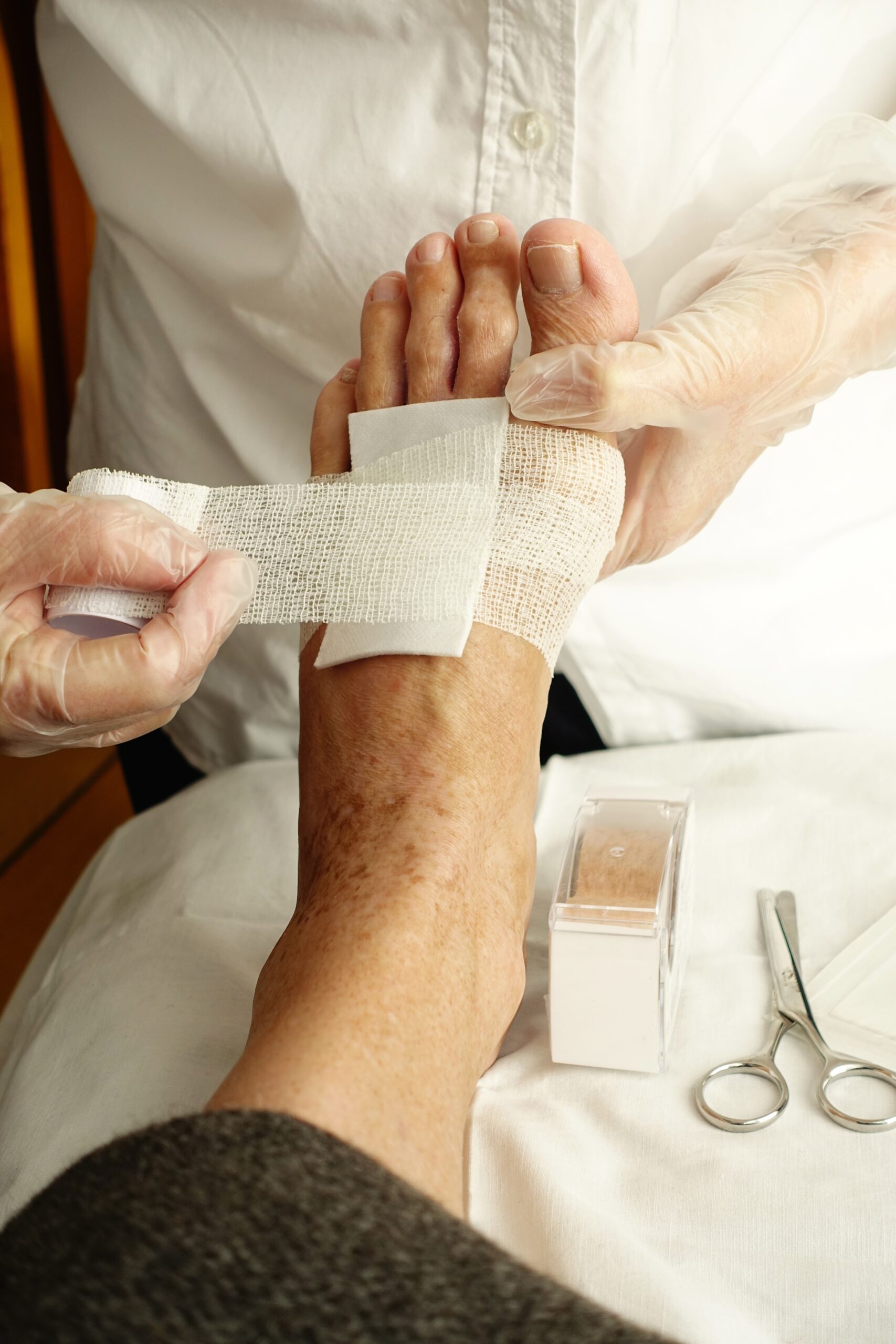
Many dressings are now ‘breathable’ and water resistant, which will help, but the right dressing will depend on the nature and location of the wound.
“Some wounds may create a bit of fluid (or exudate), which is a natural part of wound healing. Some dressings can absorb more fluid and last longer, so we don’t need to change them more than necessary as this can disturb the healing process.”
Others may need to be changed more regularly. A dressing on the hand or foot will get wet more often and may require daily changing, whereas a dressing on the arm or leg can stay up to three days or more if kept out of water.
For people living with diabetes, keeping a wound clean and covered is important, but sometimes the dressing itself can add to the pressure. If a foot injury has occurred due to pressure, especially if the person can’t feel their feet, it’s important to address the cause (such as ill-fitting shoes.)
4. You don’t need to ‘air out’ a wound
Another misconception Lusi would like to challenge is that you should expose a wound to air. In fact, she says, this can lead to changes in skin temperature and moisture levels and can contribute to an increased risk of infection and slower healing.
“We see a lot of prescribing of local and oral antibiotics and people leaving their wounds exposed, which can delay healing. In most cases, a covered, moist environment is better for healing and a lower risk of complications and scarring.”
The exception is for black, ischaemic (or necrotic) diabetes foot wounds, which need to be kept dry and seen by a specialist or emergency department immediately due to the high risk of complications.
5. Seek help sooner rather than later
Early intervention is key, but studies show that one in four people will wait a week or more before seeking medical attention for a wound. If your wound is red, swollen and painful, or taking a long time to heal, seek help.
“A seemingly minor cut, corn or blister in someone with diabetes can turn into a much deeper and nasty wound if not treated properly, particularly if they have a loss of sensation in their feet,” says Lusi.
People with diabetes should seek help if a foot injury hasn’t improved within 24 hours. This includes ulcers, unusual swelling, redness, blisters, ingrown nails, bruising or cuts. If you have sought help and it’s not getting better, follow up, and don’t wait any longer than four weeks.
“Wound care can be complex, so it’s always worth seeking advice from health professionals,” Lusi says.
As a pharmacist and wound clinician, I can help people clean and dress a wound and advise on the right treatment plan for the individual person based on their history and assessment, including evidence-based products. I will also follow up and review to assess and treat the wound until it is healed.”
Pharmacists can also refer people to the appropriate pathways, such as a GP, district nursing service, diabetes educator, podiatrist, lymphoedema therapist, vascular specialist or other allied health professionals for access to timely wound care.
“It’s rewarding work and patients are always grateful for the help to achieve wound healing.”

Lusi Sheehan is a wound care educator, consultant and pharmacist.
Do you want to learn more about living well with diabetes?
Diabetes WA runs a range of free diabetes self-management programs including face-to-face workshops and live online programs, on behalf of the NDSS.
You can book online or call 1300 001 880 to find out more.