
Dietitian Dr CHARLOTTE ROWLEY explains how much protein we really need, and where to get it.
This must be the most common question I get asked as a dietitian – everyone is worried about getting enough protein. I find this surprising because most of the time, people are getting plenty! So, let’s dig a little deeper to find out if you have anything to worry about.
Step 1: How much protein should we eat each day?
For most adults, aiming for 0.8 – 1.0 g protein per kilogram of body weight is a good guide for working out how much protein you might need in a day.
Requirements change for children and through the different stages of adulthood including pregnancy. Some conditions, such as cancer and COPD (chronic obstructive pulmonary disease), and recovering from surgery, can increase our requirements.
For someone who weighs 80kg, the calculation is as follows:
Grams of protein x weight
- 0.8 x 80 = 64g
- 1.0 x 80 = 80g
So, this person should be aiming for approximately 64-80g protein per day (based on the Australian Dietary Guidelines). That’s step one done.
Step 2: How much protein are you eating?
Let’s imagine a pretty standard day:
| Meal | Food | Protein estimate (g) |
| Breakfast | 2 x weetbix with 1 cup milk | 12.5 |
| Lunch | Chicken sandwich | 10g (depending on amount of chicken and type of bread) |
| Dinner | Spaghetti bolognese (with approximately one cup of minced meat per serve) | 28g |
| Snacks | Hummus and veggie sticks
Latte Fruit Nuts |
5g
8g 0g 5g |
| TOTAL | 68.5g |
We’ve easily reached 68.5g of protein, which is well within our target range – and this isn’t what we would consider a high-protein meal plan. We could certainly optimise breakfast and dinner to increase our intake if we wanted to, but this example shows you that without realising it, you are probably not as far off your targets as you might think.
What about vegetarians?
Meeting protein targets does take more planning if you don’t eat meat. Let’s take a look at a standard day for a vegetarian:
| Meal | Food | Protein estimate (g) |
| Breakfast | 2 x weetbix with 1 cup milk | 12.5 |
| Lunch | Minestrone soup | 6g |
| Dinner | Lentil dhal | 20g |
| Snacks | Hummus and veggie sticks
Latte Fruit Nuts |
5g
8g 0g 8g |
| TOTAL | 56.5g |
This meal plan gets us to 56.5g of protein, so almost at our target. With some extra care, we could easily get into target with a vegetarian diet.
Why is there so much talk about protein?
Well, one reason might be that if you do regularly skip a meal or two, or regularly eat plant-based meals, your intake can easily be too low. This isn’t an issue for a day or two, but if it happens regularly, it can have a negative impact on your health.
In particular, it can lead to muscle breakdown, which can make us more frail and more likely to have falls.
We are more likely to see low protein intake in older people and people living alone. Often, we might not have the motivation to cook if it is only for ourselves and end up having toast for dinner – and there’s not a lot of nutrition in a piece of toast. Other meals may be similarly simple with minimal nutrients, and over time we can become malnourished and start losing our muscle mass.
The other, more cynical, reason for so much messaging around protein is advertising – where someone who looks like Arnold Schwarzenegger is selling you supplements to make you “healthy”. Some people do benefit from these foods, but I think the messaging to the general public has been overstated.
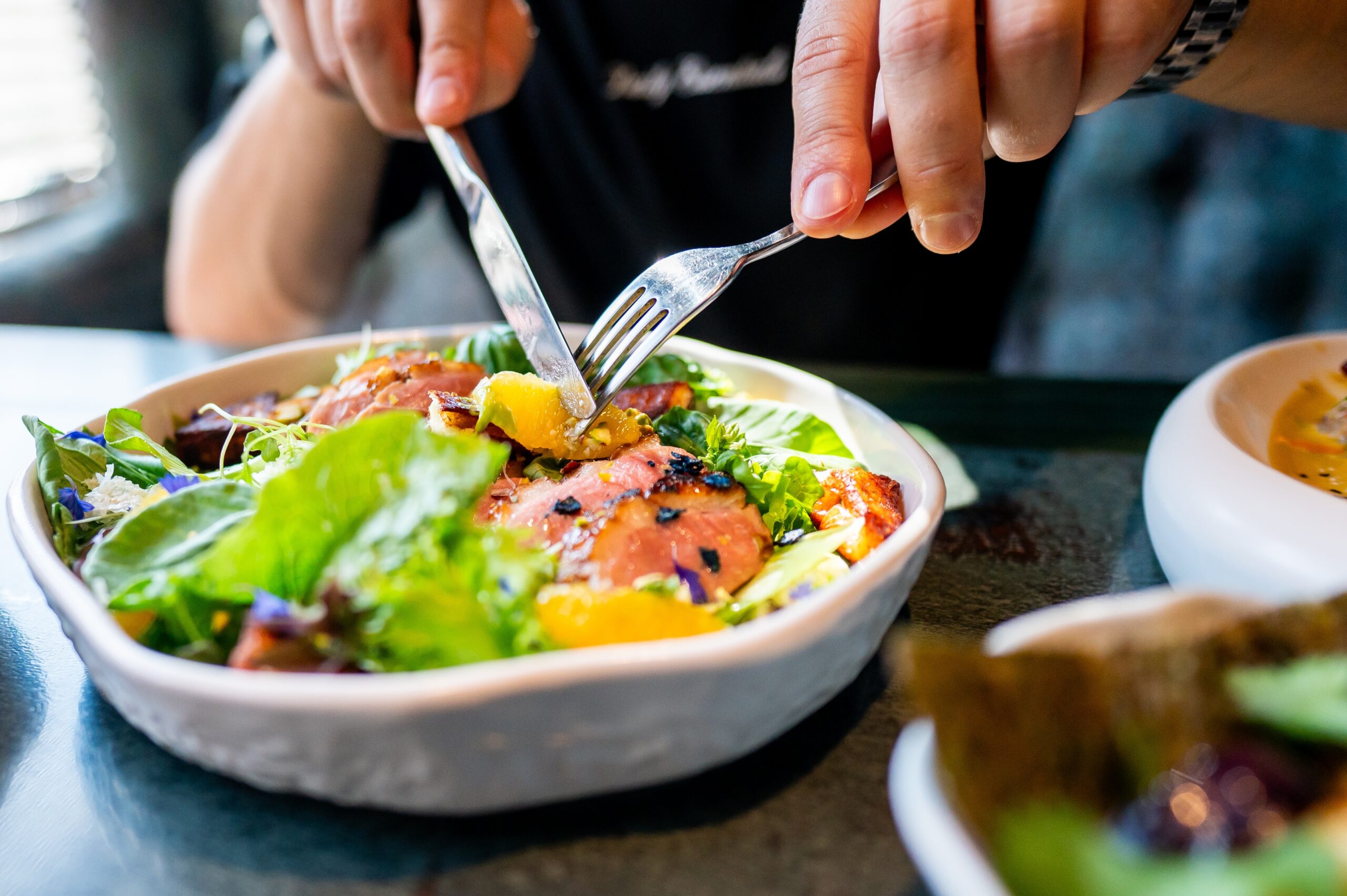
However, if you think that perhaps you do need to add some more protein to your regular diet, here are some high-protein foods that can help you meet your targets:
| 100g cooked chicken, beef, lamb or pork | 30g |
| 100g cooked fish | 25g |
| 1 small tin of tuna | 21g |
| 100g tofu | 10g |
| 30g raw nuts | 8g |
| 1 egg | 6g |
| ½ cup beans | 6g |
The more, the better?
Is it always better to have more protein? The simple answer is no. Like most things we eat, your body can only digest and absorb a certain amount of protein at one time -about 20-25g. Eating more than this is not worth it because you won’t be able to absorb more from the food. Ideally, we will eat 20-25g protein every few hours with our meals or snacks.
Having too much protein takes up space for other foods that give us important nutrients. For example, if you increase your meat at the expense of your veggies, you are going to be getting less fibre, which you need for good digestion. Yes, protein is important, but it is not the only important nutrient, so consider what you might be reducing if you increase your protein, and what your body specifically needs.
Got a question about food? Our dietitians are here for you
If you need help meeting your nutritional needs, a dietitian is the most suitable person to support you. You can book a clinic appointment with one of our dietitians at Diabetes WA or call our free Helpline on 1300 001 880.
This story is from our summer issue of Diabetes Matters – download your free copy here