

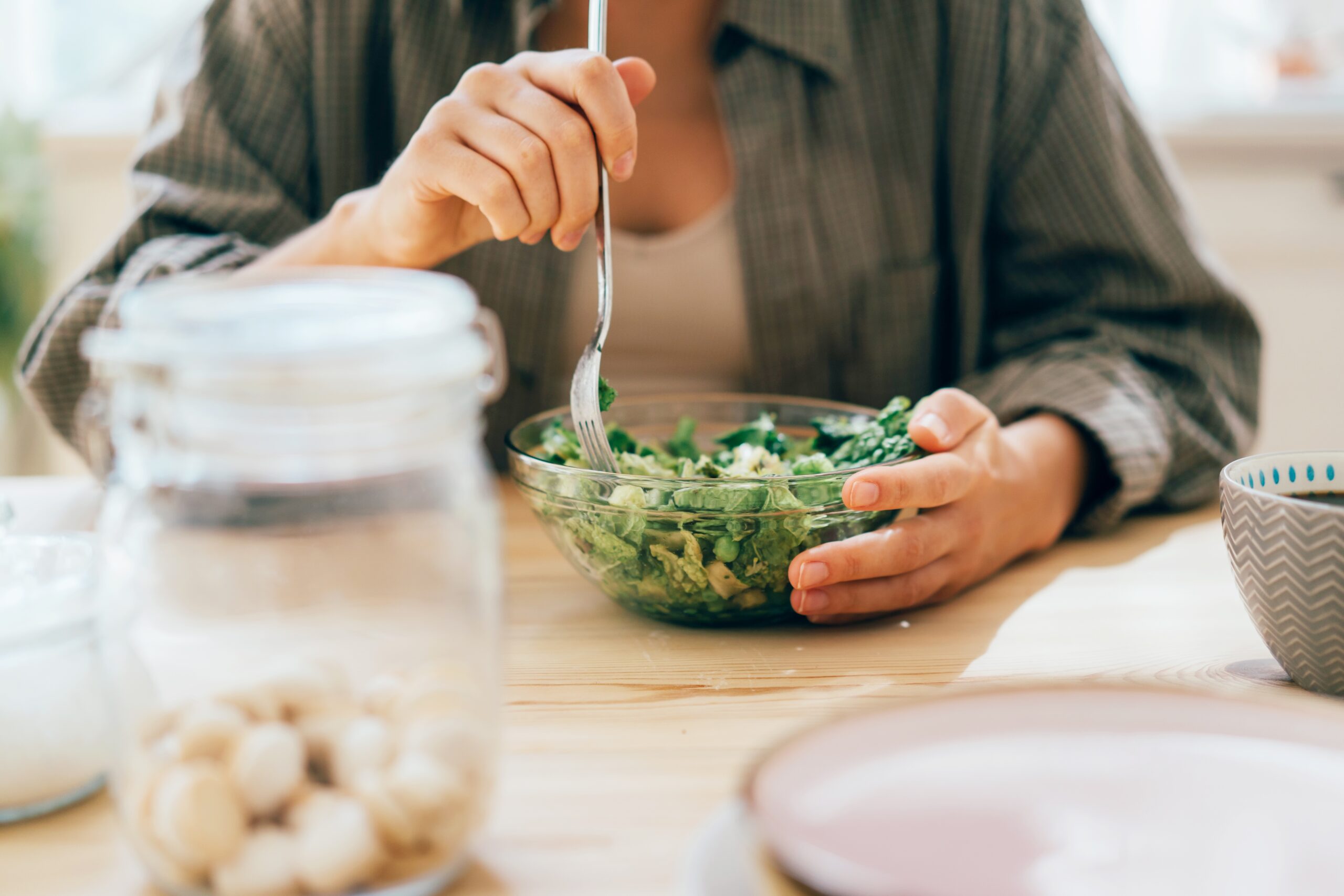
Are you living with diabetes and want to rethink your approach to food this year? Dietitian Dr CHARLOTTE ROWLEY shares five ideas for making healthier meals without creating extra work for yourself.
It’s no secret that being diagnosed with diabetes can create extra stress – there are appointments to attend, new information to take in and unfamiliar technology to manage. And then there are mealtimes. Something that once seemed simple can now feel like an uphill battle.
If one of your new year’s resolutions is to eat well, here are five ways to enjoy healthier food without the stress, whether you’re cooking for yourself or feeding a family. After all, eating well is worth the effort whether you live with diabetes or not.
1. Start small
My first recommendation when making any dietary changes is to stick to what you know and just adjust your quantities.
If you’re a pasta lover, swap a big bowl of pasta for a smaller serve and add more veggies. If you eat stir-fry regularly, try throwing in a couple of extra handfuls of veg, while keeping the amount of rice or noodles the same.
These small changes reduce the carbohydrate portion in the meal while increasing the vegetables, which can help to manage how much your glucose levels rise after you eat.
2. Look at your carbs
Next, swap your refined carbs for healthier options, such as replacing white bread with multigrain. The aim here is to choose fewer processed carbohydrates.
Again, we are keeping our meals the same, just making a small tweak. If you have fussy eaters at home who won’t eat these “strange” foods, find some middle ground.
With bread, for example, kids might dislike multigrain bread, but you could choose a high-fibre white bread, which is still a healthier option than standard white bread but looks and tastes the same.
3. Introduce new recipes gradually
While it seems simple, trying out a new recipe can be mentally draining compared to throwing together something you’ve made many times before.
It will always require more thinking and take longer than a meal you are familiar with – and you don’t even know if it will taste good!
Pace yourself for long-term success by trying out one new meal per week and adding the ones that you like to your collection.
4. Cook double
While you’re in the kitchen, let’s maximise your efforts by batch cooking. Double the ingredients and make two meals, then freeze the extra one for those busy evenings when you need something on the table quickly.
If you’re short on space, freezer bags can be stacked and take up less room than plastic tubs.
And remember, healthy food doesn’t have to be fancy. Simple meals consisting of chicken salad with dressing, spaghetti bolognaise or sandwiches are all appealing options that are easy to prepare.
5. Make room for some treats
A diabetes diagnosis doesn’t mean the end of desserts. While reducing the amount of ‘treat’ foods in the house is beneficial, you don’t need to get rid of them completely.
Keep in mind, too, that a healthy diet for someone living with diabetes is also a healthy diet for anyone living without diabetes. Everyone will benefit from eating well, be it now or in twenty years’ time. Even small changes make a difference in the long-term.
Would you like to learn more?
Just been diagnosed with diabetes?
About to start a new medication?
Want some support to get on track for the new year?
As part of your NDSS registration you are entitled to attend Diabetes WA’s workshops for free.
Our 2026 workshop calendar is available here to download.
You can also book an appointment with a diabetes educators online or contact us on 1300 001 880.