
Cuts and wounds can sometimes take a little longer to heal for people living with diabetes. Nourishing your body with certain types of foods can play a key role in helping your skin to rebuild and repair itself, says dietitian CARISA SHERIDAN.
If you’ve living with diabetes, you may not feel some injuries when they occur, and they may become worse before being treated. This happens because high blood glucose levels (BGL) can affect blood flow and make it harder for oxygen and nutrients to reach the skin. In some cases, nerves may also become less sensitive.
Whether it’s a small scratch, a blister or something more serious like a foot ulcer, here are some foods to include in your diet to support wound healing.
-
Protein
Protein is the main ingredient your body uses to rebuild tissue. In wound healing, the amount of protein your body needs increases because it is vital for making new skin, muscle and blood vessels. Good protein sources include:
- Lean meats like chicken or turkey.
- Fish (especially oily fish such as salmon or sardines, which also contain omega-3 fats that fight inflammation.)
- Eggs.
- Legumes (beans, lentils, chickpeas.)
- Vegetarian sources such as tofu, tempeh, nuts and seeds.
- Dairy foods such as milk, yoghurt and cheese.
These foods have the bonus of helping you feel full. When you eat them with carbohydrate-containing foods, they will also prevent spikes in your blood glucose. It is important to include a protein source at each meal to give your body enough to promote healing.
-
Vitamins and Minerals
- Vitamin C helps your body make collagen, the ‘glue’ that holds new tissue together. Find it in citrus fruits, strawberries, tomatoes, broccoli and capsicum.
- Zinc supports the immune system and helps form new cells. You’ll find it in lean meats, seafood, nuts, seeds and wholegrains.
- Vitamin A helps your skin and immune system work properly. Sources include orange-coloured vegetables including carrots, sweet potato and pumpkin, as well as leafy greens.
- Iron helps carry oxygen around your body. It is especially important that enough oxygen gets to the wounded area to allow it to heal. Good animal sources are lean red meat and chicken. Vegetarian sources – such as lentils, fortified grains and green leafy vegetables – can be harder to absorb. Pair these with the vitamin C foods listed above to help your body absorb vegetable-based iron.
Thinking about all these vitamin and minerals in isolation can feel overwhelming. Don’t worry; simply aim to eat a wide variety of colourful foods – especially fruits, vegetables and wholegrains, and you will likely get a sufficient supply of these nutrients naturally.
Sometimes a zinc supplement can be recommended for wound healing. Speak to your healthcare provider to see if this is appropriate for you.
-
Healthy Fats
Healthy fats, such as those from olive oil, avocado, nuts and oily fish, can help reduce inflammation and support blood circulation, both important for healing wounds. Aside from wound healing, these fats support heart health, help to lower cholesterol and can help replace less healthy fats found in deep-fried foods, processed snacks or fatty meats.
-
Hydration
Water is just as important as nutrition for wound healing. Your skin cells need moisture to form new tissue. Aim to drink water regularly throughout the day. You can include teas, coffee and milk here too. If you enjoy foods like soup or sugar-free jelly, these will also top up your fluid intake.
Balancing blood glucose for better healing
Keeping BGL in your target range helps wounds heal faster and reduces the risk of infection. Eating balanced meals that include fibre, lean protein and healthy fats can help prevent BGL spiking after eating and help your body repair itself from the inside out.
Tips for managing wounds with diabetes
Wound clinician Lusi Sheehan says that some treatments for superficial wounds may slow down healing.
The best way to look after any superficial wounds at home is to:
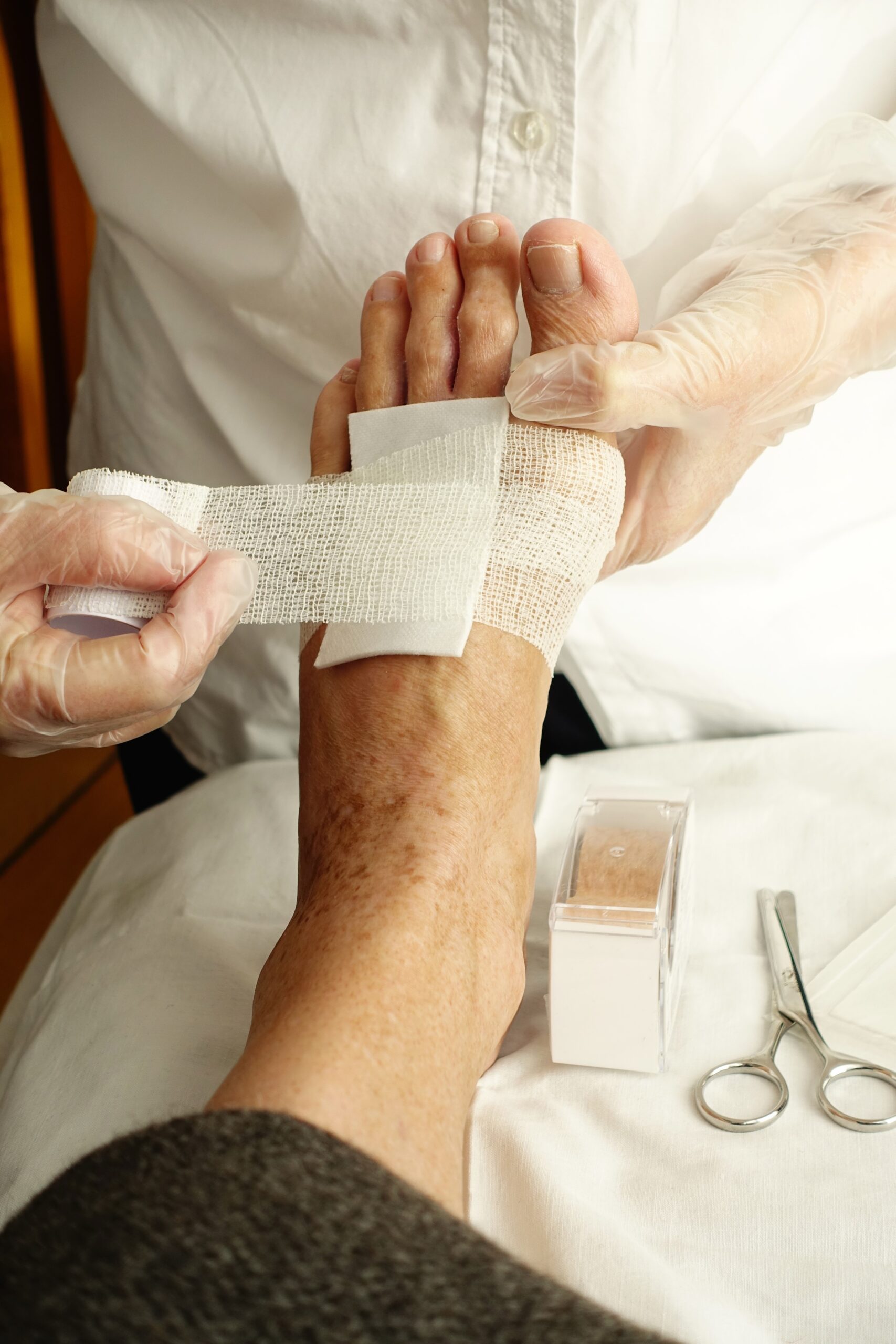
- Ensure wounds are cleaned (ideally with sterile saline water) to remove debris and any germs or bacteria.
- Most often, covering them with a quality sterile dressing will help wound healing and reduce infection risk.
- Take photos each dressing change to track healing progress.
- Seek professional advice early, especially if the wound is slow to heal, if you have had complications or ulcers in the past or if you have other health conditions that may slow your healing such as low immunity or circulation.
Avoid (unless on medical advice):
- Harsh antiseptic creams
- Povidone-iodine liquid left on wounds (ensure you wash after a few minutes)
- Anti-inflammatory medications
- Letting wounds “dry out” and scab
When to seek extra help
Examine yourself every day, especially harder-to-see areas like the soles of your feet and in between your toes. Catching any injury early is the best way to prevent it getting worse. Let your healthcare team know if healing seems slow or if there are any signs of infection such as redness, swelling or the area feeling hot or painful.
For deeper wounds or ulcers, wounds that do not have pain/sensation, cold or mis-shaped feet, urgent professional medical support is essential.
It is recommended that people living with diabetes visit a podiatrist at least once per year, to check the circulation (pulse) in your lower legs and feet, and to test the sensations in your feet and lower legs (nerves.) Keeping your feet clean and moisturised will also protect the skin – talk to your pharmacist and check your feet every day for small injuries or blisters.
Would you like to learn more about living well with diabetes?
Just been diagnosed with diabetes?
Have a question about medication or diabetes management?
Want some support to get on track?
If you have questions or concerns about diabetes, for yourself or someone else, you can also book an appointment with a diabetes educators online or at one of our clinics or call our free Diabetes WA helpline on 1300 001 880 (Monday to Friday, 8:30am–4:30pm) to speak with a caring, experienced diabetes health professional.
You can also send your query by email to info@diabeteswa.com.au if you prefer to write to us.
This story is from our summer issue of Diabetes Matters – download your free copy here