

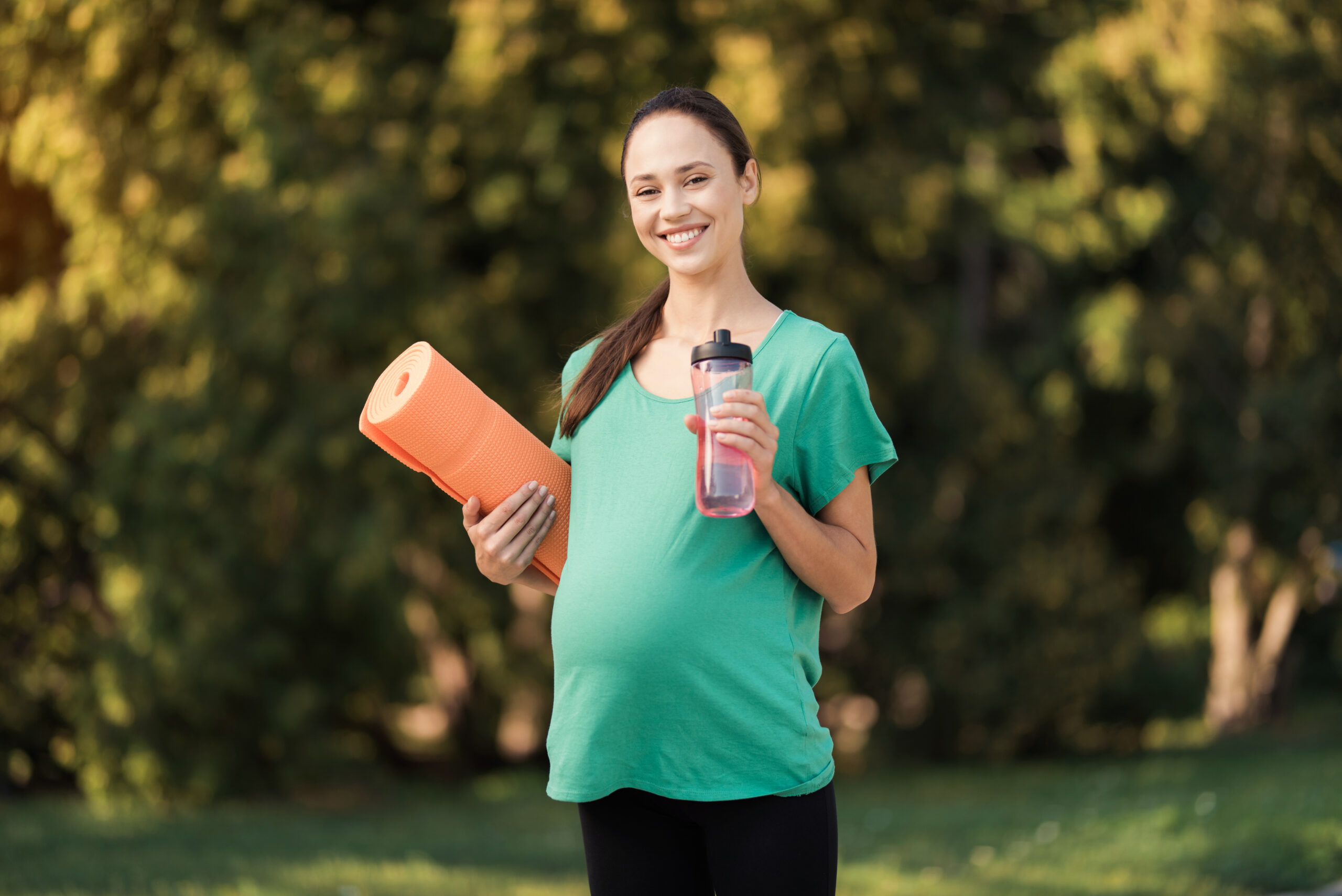
Staying physically active during pregnancy is safe and strongly encouraged, even when you have diabetes, writes exercise physiologist CARLY LUFF.
Gone are the days when expectant mums were encouraged to take it easy and relax on the couch for nine months. While there are some activities that may need to be avoided or adapted, being active can help reduce the aches and pains and help you prepare for labour, which may be the most strenuous activity you’ll ever do (but totally worth it).
If you have pre-existing diabetes or have been diagnosed with gestational diabetes, then physical activity can help you to manage your blood glucose levels and prevent excessive weight gain.
Staying active also helps to improve your mood by releasing natural ‘feel good’ hormones. Weirdly, while doing more exercise might feel like the last thing you want to do when you’re feeling tired because of your pregnancy, it really can give your energy levels a boost.
We also know that staying active helps to reduce the risk of pregnancy complications like gestational diabetes and pre-eclampsia. And, thinking ahead, targeted pelvic floor exercises can also help to reduce your risk of incontinence and prolapse post-pregnancy.
What types of activity are recommended?
Start by choosing an activity you enjoy. That way, chances are you’ll stick with it and it won’t feel too much like a chore. The sorts of physical activity recommended for pregnant women are the same as those for everyone else.
It’s a good idea to include both aerobic and anaerobic activities in your exercise regime.
Aerobic activities – such as walking, swimming, riding a stationary bike or dancing – involve most of the body moving and increase the fitness of your heart and lungs.
It’s safest to avoid activities with a risk of falls such as cycling, team sports or horse riding. Some women may be able to continue running if they ran before pregnancy, but best to check with your health care team.
Anaerobic activities Using machine weights, free weights, dumbbells or body weight, the aim is to increase muscular strength which comes in handy when carrying around a newborn or getting the pram out of the car.
How much exercise should I aim for?
Pregnant women should exercise about as much as non-pregnant women. This means being active most days, preferably every day, to a weekly total of either:
- Moderate to vigorous-intensity physical activities for 30 minutes or more on most days, such that there is an accumulation of 2.5 hours or more per week.
- Muscle-strengthening activities at least two days each week, such as light resistance training or bodyweight exercises.
Remember that doing any physical activity is better than doing none. It doesn’t matter how much you are doing now.
Start by doing some, then slowly build up to the recommended amount.
How do I make sure I am exercising safely?
Here are some tips to make sure yourself and bub remain safe:
- Include a gradual warm-up and a cool-down.
- Avoid exercising in high temperatures and humidity, stay hydrated and wear loose-fitting clothing.
- Avoid activities with the possibility of falling or where there is a risk of impact trauma to the abdomen.
- Perform regular exercises to strengthen the pelvic floor muscles. Avoid activities that add extra load to the pelvic floor.
- Take care with weight-bearing exercise and activities involving frequent changes in direction due to increased risk of injury and changes in balance.
I have diabetes, is there anything I need to consider?
This will depend on the type of diabetes and how it is usually managed. Continuing to monitor your blood glucose levels can help you learn how physical activity affects them. Be aware of the signs and symptoms of low and high blood glucose levels.
When is physical activity not safe?
There may be some pregnancy complications that will mean physical activity is not safe and medical guidance is needed. If you are experiencing any complications or worrying symptoms, we recommend you stop and talk to your health care team.
Do you have any questions about diabetes and pregnancy?
The GDM Telehealth clinic is free to all pregnant women living in rural or remote WA who have recently been diagnosed with gestational diabetes and are looking for support.
Read more about our GDM Telehealth clinic here
We take referrals from obstetric services we regularly collaborate with, or alternatively, you can self-refer via our telehealth service by calling the Diabetes WA Helpline on 1300 001 880.
We also see women with gestational diabetes at our metro clinics for face-to-face appointments, and anyone living in Western Australia with questions about diabetes can call our free Helpline on 1300 001 880.
If you’ve had gestational diabetes, you can also register for the free Baby Steps program.