
Being constantly connected to the news via our smartphones can increase our stress levels and disrupt our sleep. NATALIE ESCOBAR has some tips for switching off.
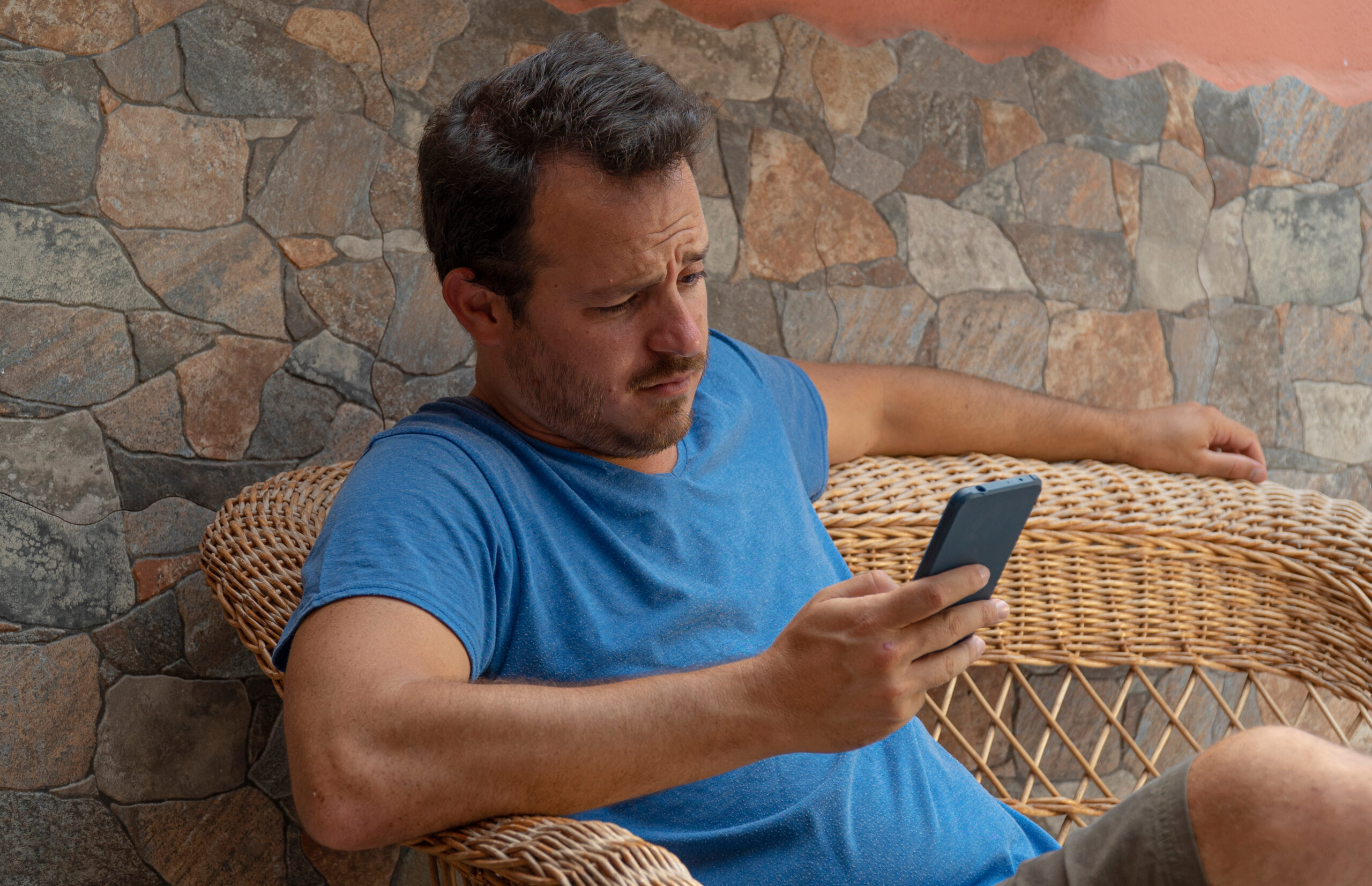
Most us keep our phones close by most of the time, which can make it hard to resist checking them – even when we know we shouldn’t. You might plan for a quick scroll before bed but next thing you know it’s already midnight. Or you start browsing while watching TV, then realise you have barely watched the show at all.
Resisting the urge to pick up your phone can feel like a near-constant challenge, especially when breaking news is just a tap away. One headline leads to another, and suddenly you’ve fallen down a rabbit hole of different stories about the same event.
A 2025 Digital News Report found that one in four Australians now use social media as their main news source, more than those who use online news websites. Among younger audiences, social platforms are even more influential, with Instagram (40%) and TikTok (36%) the top news platforms among 18– to 24-year-olds.
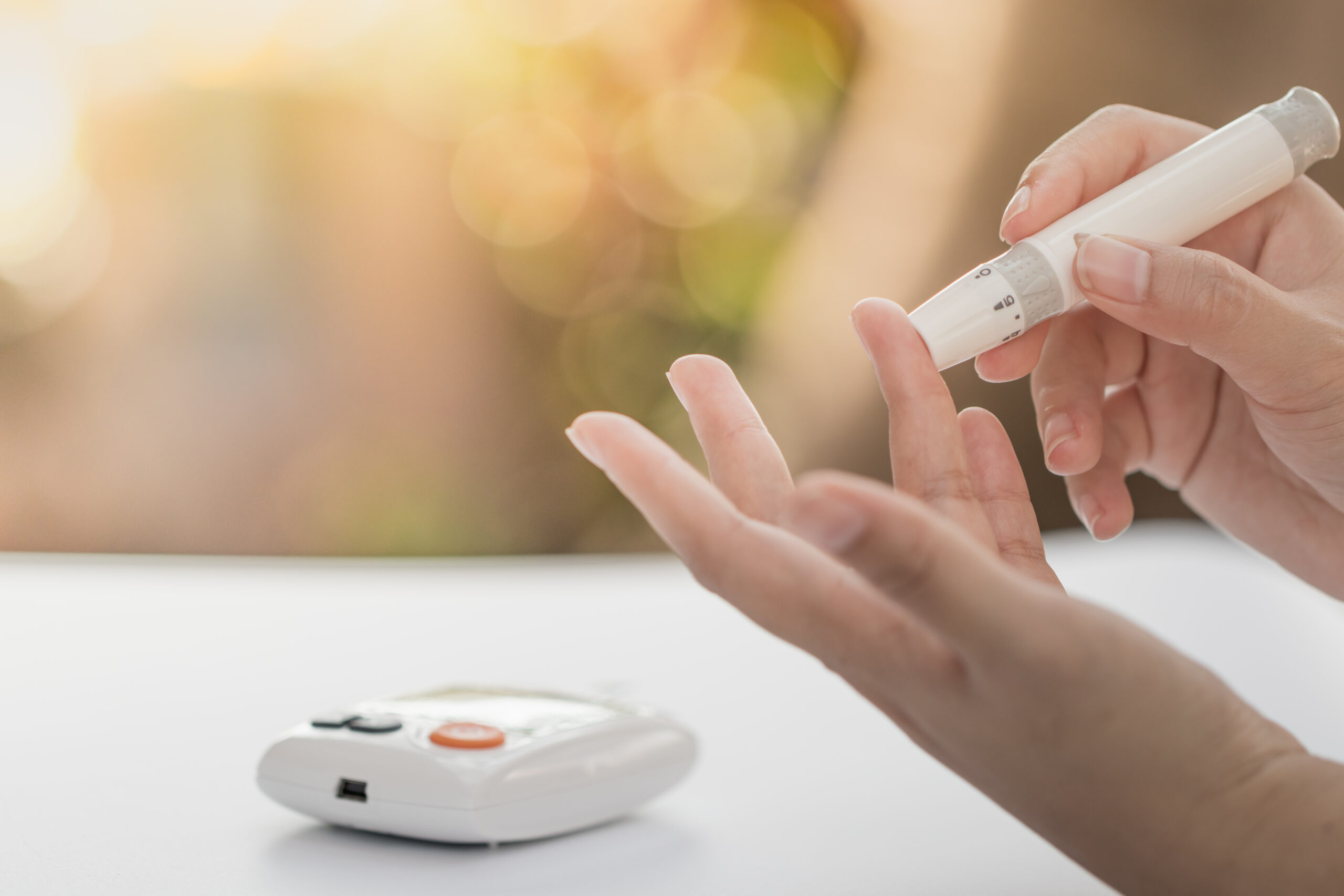
Consuming a constant feed of news from the nearest screen is now easier than ever. And when global or politically significant events happen, the noise across social media can quickly become overwhelming. This can be particularly difficult for people living with diabetes, who are already carrying an increased mental load.
Dr Jennifer Pinkerton, a media and journalism lecturer at Charles Darwin University, says this constant stream of updates can lead to headline fatigue.
News is driven by lots of things, but for the most part conflict and drama. This means much of the news we consume is overly negative – and even scary.
She explains that a constant cycle of often negative news has driven some people to avoid it altogether.
“News avoiders say they do so because news has a negative impact on their mood, can be untrustworthy, and simply wears them out.”
Frequent updates on social media can also spread false reports, making people feel stressed and uncertain.
To avoid this, Dr Pinkerton recommends sticking to reputable news outlets.
“Diving into weekend papers, longer reads, or other publications and sites can offer deeper insight into issues, as opposed to blow-by-blow shorter stories or posts about unfolding events, which can trigger anxiety and become addictive once you’re hooked into a given narrative.”
It might sound simple to break the habit of always checking your phone, but it can be tough in practice. Since we rely so much on our phones, small routines can help us break the cycle and reduce headline fatigue.
Dr Pinkerton suggests taking Sundays as a ‘digital sabbath’ to give your mind a break from news stress.
“I stay off my phone and therefore don’t read or stream news on Sundays. I also take a longer digital sabbath when the news is stressing me out, and I can afford to engage less intensely.
She recommends using this time to be with loved ones, enjoy outdoor activities or pick up non-digital hobbies. These can help you recharge and feel refreshed.
Remember too that your social media feed is shaped by an algorithm that responds to what you look at. If you often read news articles or watch news videos, your feed will give you more of that content.
The health impact of headline fatigue
While staying up to date on current affairs has many benefits, the feeling of being ‘always connected’ to your devices, the never-ending negative headlines and elevated stress, particularly about things that are outside your control, can start to impact your emotional and physical health, as well as elevate your blood glucose levels.
Over time, this may affect your mood, eating habits, social connection and motivation to exercise.
Digital habits can also affect how well you sleep. Scrolling through news late at night can make it harder to relax, both mentally and physically. Notifications, bright screens and emotional news stories can keep your mind active long after you should be resting, which can lower your sleep quality. Sleep is crucial to our long-term health, and being tired can even increase our appetite, further disrupting our blood glucose levels.
You can read more about the link between stress and your blood glucose levels in a recent article by diabetes educator Dr Charlotte Rowley.
Being aware of your digital habits and taking time away from your device can help you find more time to rest and focus, which supports your health and daily routines.
Remember, even one small step can make a real difference. Try focusing on starting with a single, manageable habit and build from there at your own pace. Each positive change adds up over time, helping you feel more in control and balanced.
6 tips for digital balance when the news is stressful
1. Be mindful of what you consume
You can make your online space feel less overwhelming by unfollowing accounts that share upsetting or unreliable news, muting certain keywords, using ‘see less’ or ‘hide’ options on posts that make you anxious. Seek out news sources or social media accounts that you enjoy, rather than simply looking at whatever is delivered to you.
2. Focus on credible sources.
This is particularly important when reading about health conditions such as diabetes. Be wary of ‘health influencers’ who appear to have perfect lives and profit from spreading inaccurate or unachievable health information to their followers.
3. Log out and put your phone away
Put your phone in another room for a few hours, or even an entire day, to give yourself a break from the news and constant scrolling. Logging out of social media accounts, not saving passwords and putting time limits on social media accounts on your phone will all make it easier to stop scrolling.
4. Don’t take your phone to bed
To improve the quality of your sleep, start a screen-free wind-down routine before bedtime. Avoid screens at least one hour beforehand and instead engage in activities like reading or meditation.
5. Seek out non-digital and high-quality news sources
If you like to stay informed, make some time for longer reads, quality magazines and books to gain a better understanding of a news story.
6. Take up a non-digital hobby
Put your phone away and find something you enjoy – cooking, crafts, hiking, running, swimming, knitting or just pottering around the house or garden.
Do you want to learn more about living well with diabetes?
If you have any questions about diabetes, for yourself or someone else, you can book a clinic appointment with one of our diabetes educators at Diabetes WA or call our free Helpline on 1300 001 880.
Whether you were diagnosed recently or have lived with diabetes for some time, the Living Well with Diabetes program is your chance to chat, ask questions, learn about the latest information on diabetes, and get new tips to help make life a little easier. These sessions are run locally as well as online.
The face-to-face program is suitable for people living with type 2 diabetes. The online version is suitable for people living with type 1 and 2 diabetes.