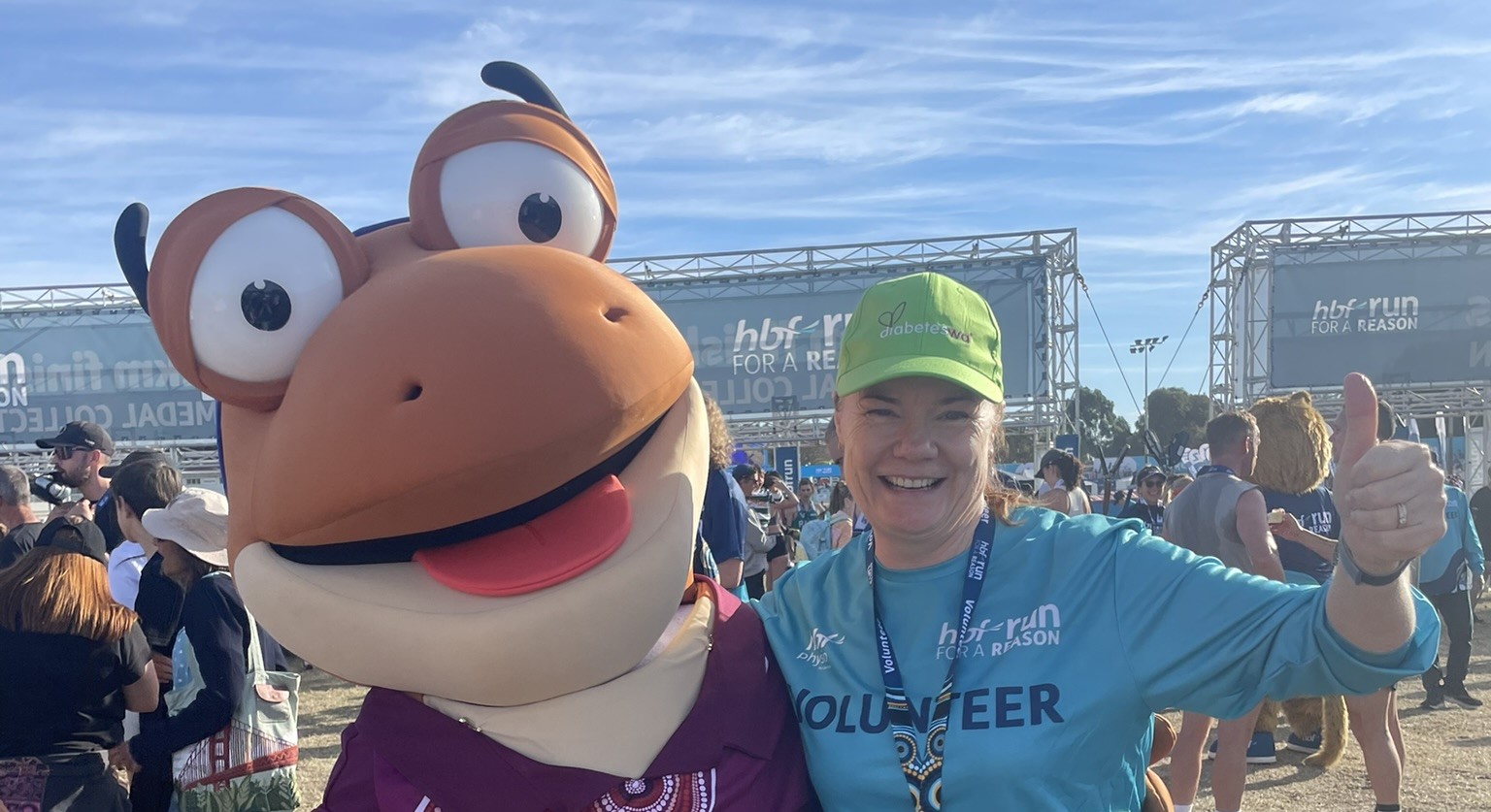


Diabetes educator CHARLOTTE ROWLEY explains why regular exercise is so beneficial for diabetes, and how to get active safely.
If you’re living with diabetes or prediabetes, you’ve probably heard a lot about the benefits of exercise. But there can be contradictory information about what exercise you should do and when and how long you should exercise for.
Let’s look at how exercise impacts your blood glucose levels, its many benefits, and what exercise is best for you.
Back to basics
When we eat carbohydrates, they break down into glucose, which is absorbed into the bloodstream. We need to move this glucose from the bloodstream into our organs, tissues and muscles, where it can be used for energy.
Our body produces insulin to help with this process. Insulin is like a key that opens doors from the bloodstream, letting the glucose go where it’s needed. When we are living with type 2 diabetes, the insulin can’t do its job as easily, so it’s more difficult to open those doors. We call this insulin resistance.
What happens when we exercise?
Exercising essentially opens doors in our muscles to let more glucose in. Some of those doors rely on insulin to be opened, but not all of them.
Exercising increases your glucose uptake into your muscles without relying on insulin. For people with type 2 diabetes who are insulin-resistant, having more doors that don’t rely on insulin to work is a huge plus!
What’s more, these no-insulin doors can stay open for hours or days after you exercise. This means that even if you exercised yesterday, you may still have additional non-insulin doors on your muscles, helping to take up glucose.
What type of exercise should you choose?
There are different benefits to different types of exercise.
Aerobic exercise (really any “cardio” based exercise that gets your heart pumping) is great for improving your insulin resistance. In just seven days of vigorous aerobic exercise, you may see improvements in your blood glucose levels.
Aerobic exercise also helps you maintain healthy blood pressure and cholesterol levels. Even if you don’t lose weight by adding more cardio, you’ll likely see the benefits in your next blood test.
Resistance exercise is any movement that makes your muscles work against something else. This could be body weight training, such as push-ups, or dumbbells for your bicep curls.
Resistance exercise can improve your sensitivity to insulin, as well as improving your blood pressure, cholesterol levels, bone density and muscle mass.
Combining aerobic and resistance exercise may be the way to go, with many studies reporting greater health benefits than doing only one or the other.
How intense should you go?
It’s recommended that Australian adults do 30 minutes or more of moderate to vigorous activity, most days of the week. Moderate activity is when you have increased your heart rate but can still hold a conversation, and vigorous activity is when you can only speak a few words at a time.
Start where you are comfortable and challenge yourself to increase the intensity of your exercise over time, remembering that each increase in intensity has a bigger impact on improving your blood glucose levels.
High intensity interval training (HIIT) can be a good alternative to walking for aerobic training. The great thing about HIIT is that it’s time efficient, as you’re doing higher intensity work (75-95% of your max heart rate) for shorter amounts of time. This also has great benefits on fitness levels, reducing HbA1c and improving insulin sensitivity.
Starting an exercise program
There are so many benefits to exercise, but it may require a little extra planning if you are taking insulin or medications that can lower blood glucose levels.
If you’re starting a new exercise program, you may need to reduce your glucose-lowering medication over time. Working closely with your diabetes care team over your journey is really important.
- The first step is to start! Think something you enjoy that is realistic and achievable, or start working towards a goal you have had on your bucket list.
- Your GP is there to support you, especially if medications need to be changed.
- Consider booking in with an accredited exercise physiologist. You may be able to access this service through your Chronic Disease Care Plan. An exercise physiologist is specifically trained to help people with chronic health conditions to move well and become more physically active. They can design you a tailored plan, taking into account your preferences and any injuries you may have. We offer appointments here – visit our clinic page.
- If you have issues with your feet, a trip to the podiatrist is a good idea, particularly if you are considering investing in a new pair of shoes for your training.
- Ask yourself if you’re feeling well on the day. Incorporating rest and recovery, which may still involve some gentle movement and getting some fresh air, is important for any exercise routine. While we may have to adjust our expectations for sickness or injury, it doesn’t have to stop us from moving altogether.
If your blood glucose levels are high (particularly above 16.7mmol/L), we should probably address this before we get moving. - If you are using insulin or taking medications to lower your blood glucose levels, check your blood glucose levels every 20-30 minutes while exercising, particularly if the exercise is new to you, you’re increasing intensity or you’re going for longer than usual. Keep a hypo kit with you in case your blood glucose levels do drop too low. If this happens, stop exercising immediately to treat your hypo.
- Check your blood glucose levels again after you’ve finished exercising and, if you are new to exercise, keep more of an eye on them for about 24 hours after exercise. It’s often a good idea to have a carbohydrate meal or snack shortly after finishing your exercise, and possibly another carbohydrate snack just before bed, if you are prone to overnight hypoglycaemia.
Now you have a plan for getting active, it’s time to get moving!
You don’t need an expensive gym membership to exercise. Here at Diabetes WA we offer Beat It, an eight-week group exercise and lifestyle program. Find out more on our Programs page.
Look for free or low-cost local exercise classes, walking groups, park equipment, ParkRuns and online videos – get creative!
Do you want some support from an exercise physiologist? Book an appointment at our clinic.
Any questions about diabetes and exercise? The Diabetes WA Helpline is here to answer them – call 1300 001 880 Monday to Friday, 8.30am to 4.30pm, to speak with one of our friendly team.