
In the first study of its kind, Aboriginal people with diabetes-related foot disease in the Kimberley have shared their healthcare journeys with local researchers to build understanding and improve service delivery, writes ZOE DELEUIL.
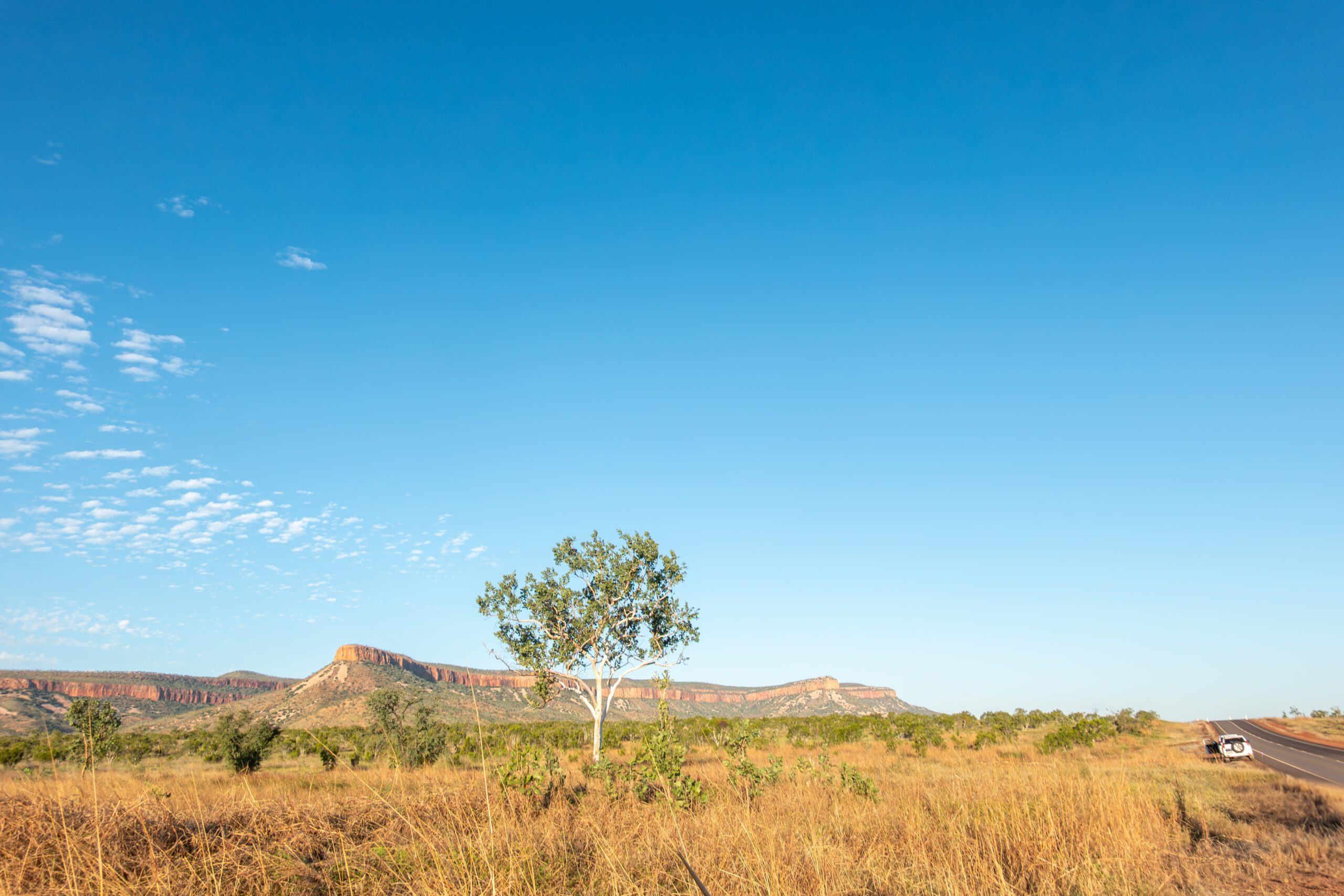
The Kimberley region is vast, spanning 420,000 square kilometres and with more than 200 remote Aboriginal communities, some nearly a thousand kilometres from the nearest town.
Aboriginal people here experience considerably higher rates of diabetes-related foot disease (DFD) than non-Indigenous Australians, with healthcare challenges including limited access to local specialist services and language and cultural barriers.
DFD can have a devastating impact on individuals and their communities, preventing people from working, living independent lives and joining cultural activities such as camping and hunting.
A ground-breaking study, Healing Steps on Country, conducted by local Aboriginal people and/or health professionals, investigates how preventive care might improve outcomes and prevent diabetes-related foot complications.
The study was a collaboration between the Kimberley Aboriginal Medical Services, the WA Country Health Service, Boab Health Services, Kimberley Renal Service, The University of Notre Dame and the Rural Clinical School of Western Australia.
“This study highlights the burden DFD imposes,” says researcher Sophie Moustaka. “Some of the study participants had attended hundreds of appointments for their feet and had been in hospital a dozen or more times.”
Drawing on personal accounts, the study documents care pathways and patient experiences to better understand what people need and value in their health journeys.
Conversations with Aboriginal participants about their experiences of living with DFD took place at several remote Kimberley Aboriginal communities, where Aboriginal Community Controlled Health Services (ACCHS) deliver comprehensive and culturally safe primary healthcare.
These personal accounts offer unique and sometimes confronting insights into the challenges of living with DFD in remote areas, where hospitals and specialist services are often far from home.
“This research grew from the Kimberley Foot Initiative (KFI), a health promotion program run by Kimberley Aboriginal Medical Services. While delivering the program, KFI team members noticed that Aboriginal people in the Kimberley experienced different care pathways,” says researcher Emma Griffiths. “The team wanted to better understand these differences to help improve care and achieve better outcomes for patients.”
Diabetes WA was involved in the initial scoping around this research and, given the great need for it, remains incredibly supportive.
Prevention is always better than cure
Primary care is key to early detection and management of DFD, with early intervention preventing up to 85% of diabetes-related amputations.
What comes across clearly in this study is that strengthening preventive care, including podiatry services, within the ACCHS sector is key. Study participants value autonomy and flexibility to manage their wound care themselves, or with the support of their community.
Teaching people with diabetes and their caregivers about safe wound care and the importance of routine foot care, including checking feet for injuries and applying moisturiser to protect skin, emerged as a way to empower communities and improve health outcomes, particularly if educational resources are developed by and with Aboriginal people, particularly those with lived experience of DFD.
Foot health was consistently identified as central to people’s overall health and wellbeing. A significant barrier to footcare currently is the ready availability of both dressings and affordable and appropriate footwear, particularly in remote communities. There is also the Kimberley context itself, with its heat and other hazards including inadequate housing and sanitation.
However, many participants and family members expressed a willingness to dress their own feet and, with expanded services, ACCHS are the best-placed organisations to provide culturally safe care and self-management education.
Improving the hospital experience
Negative hospital experiences were a common theme across conversations. Patients reported poor communication and lack of control over decision-making. Hospitals are often a long way from communities and family, creating further distress and isolation.
The presence of family members and/or Aboriginal Liaison Officers (ALOs) can make a significant difference to people, particularly for those travelling out of the region for their care. Continuity of care is also important after hospital discharge, along with locally available podiatry services and education around footcare and dressings.
As the first in-depth account of Aboriginal people’s experience of living with diabetes-related foot disease in the Kimberley, this research offers valuable, actionable insights into improving individual health care journeys, building knowledge and confidence within communities and reducing the devastating impact of DFD with strengthened preventive care.
“Learning from qualitative interviews with Aboriginal people with lived experience of DFD and local health professionals, the recommendations in our paper aim to improve the prevention, care experiences and management of DFD,” says researcher Emma Griffiths.