

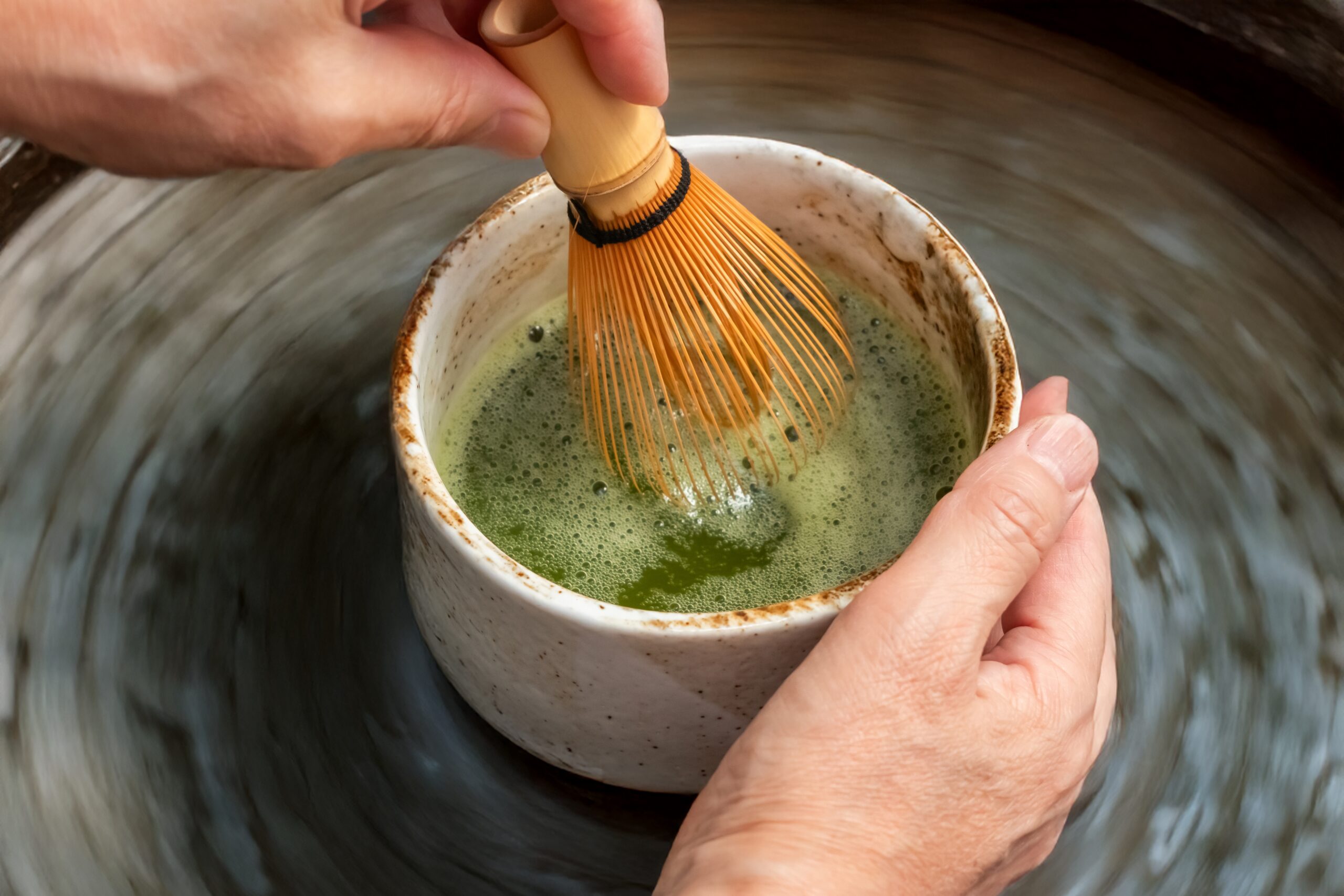
NATALIE ESCOBAR explores what exactly is driving the shift from coffee to this vibrant green drink, and how it benefits people with diabetes.
Whether you love it or hate it, there’s no denying that matcha tea has become a global phenomenon, fuelled by social media platforms such as TikTok and Instagram. The famous Japanese green tea has increased in popularity across Australia and is now a familiar sight in cafés alongside the country’s iconic coffee culture as a caffeine alternative.
What is matcha?
Matcha is a type of green tea made by grinding the leaves of the Camellia sinensis plant into a fine powder. While most people think of matcha as a Japanese drink, it actually originated in China during the Tang dynasty. At that time, tea leaves were steamed, pressed into bricks, and then ground into powder to mix with hot water.
The Song Dynasty made the powder even finer and began whisking it with hot water, giving us the frothy matcha we know today. Later, matcha was brought to Japan, where Zen monks adopted it and made it an important part of their tea ceremonies.
Why are people choosing matcha?
Matcha stands apart from both regular green tea and coffee, not just in how it is made but in what it offers. Instead of steeping and discarding leaves, you drink the whole leaf with matcha, capturing a concentrated burst of nutrients. Like coffee, matcha delivers caffeine, but it also brings a powerhouse of catechins, especially Epigallocatechin gallate (EGCG), celebrated for its antioxidant punch and links to weight, heart and brain health.
Matcha’s secret weapon is L-theanine, an amino acid that helps you feel calm yet focused. Thanks to this unique blend, many fans say matcha provides a smoother, more sustained energy lift than coffee. For others, the appeal of matcha comes down to flavour as much as its potential health benefits.
Is matcha a good option for people with diabetes?
Some research suggests that compounds in green tea, including those in matcha, may help support the body’s glucose metabolism. It is important to note that these are mostly animal studies, where subjects were fed a high-fat diet.
The benefits are thought to come from the 1-3 grams of fibre contained in matcha (as it is made from whole leaves), the antioxidant effects or even the caffeine content (a typical cup contains approximately 60–70 mg of caffeine, compared to a regular cup of coffee, which often contains 95 mg or more).
Although matcha contains caffeine, some studies suggest it may not have the same impact on blood pressure as coffee for certain individuals. This may be relevant to cardiovascular health, an important consideration in diabetes care.
For people with diabetes, drinking a standard serve of a matcha latte would be unlikely to cause a noticeable change in blood glucose levels. Be mindful when dressing up your matcha with sugar, syrups, sweetened milk, or flavourings, as these extras can quickly turn a healthy drink into a sugary treat.
If you are unsure whether matcha fits your needs, talk with your health professional for guidance.
Matcha versus coffee
With more people trading their morning coffee for matcha, the debate over which is better continues. For people with diabetes, plain coffee and plain matcha do not significantly affect blood glucose levels. The main consideration is what is added, as sugar, syrups, and sweetened milk can quickly increase carbohydrate intake.
Coffee contains antioxidants, such as chlorogenic acids, that help with insulin resistance and post-meal glucose control. Matcha offers its key compounds, including catechins like EGCG and calming L-theanine. Both drinks can be enjoyed in moderation, as long as you keep them plain.
In the end, it depends on your taste, how much caffeine you can handle, and what works best in your daily routine.
Got a question about food? Our dietitians are here for you
If you need help meeting your nutritional needs, a dietitian is the most suitable person to support you.
You can book a clinic appointment with one of our dietitians at Diabetes WA or call our free Helpline on 1300 001 880.