
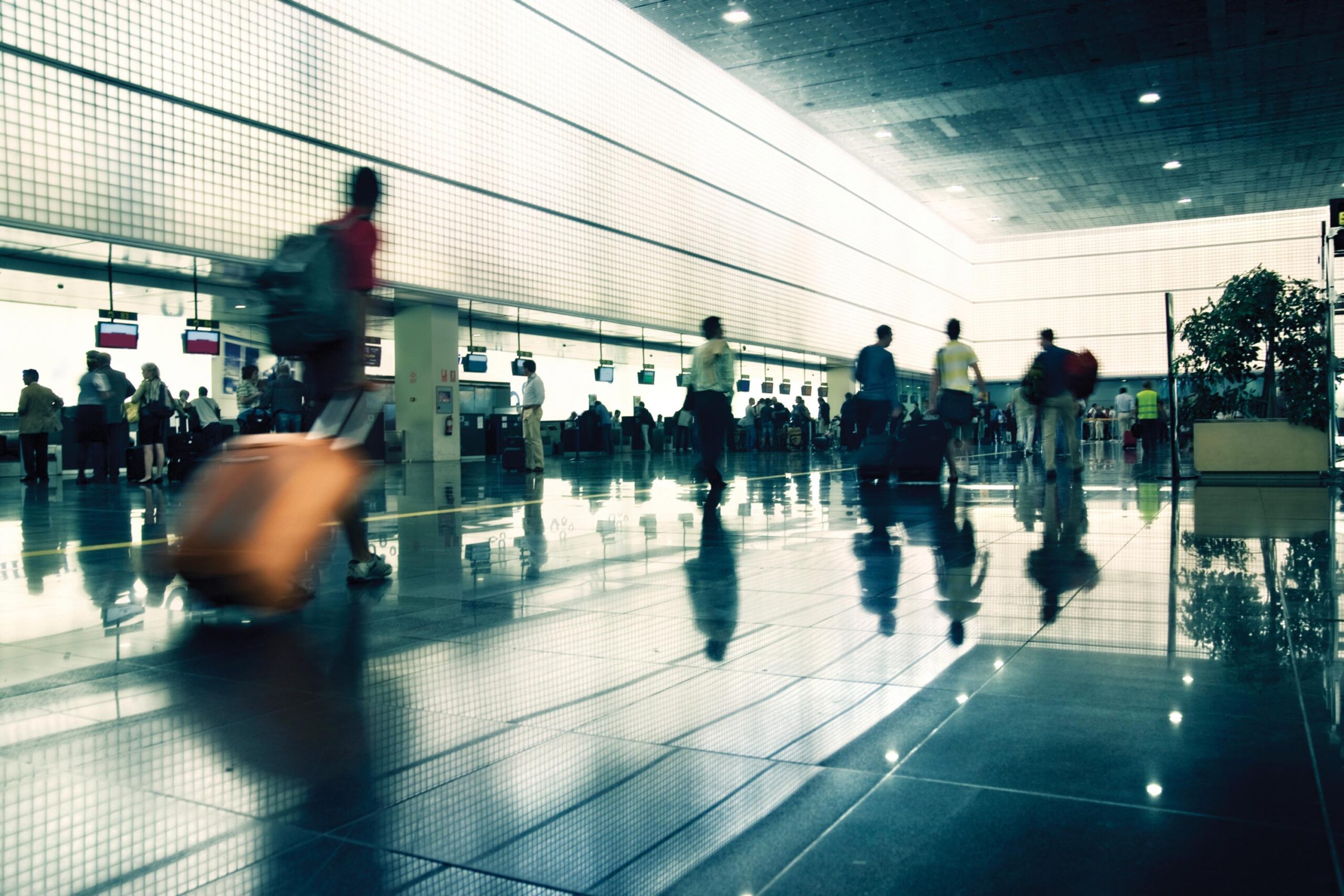
Are you heading to the airport for a holiday? Diabetes is no barrier to travel, but there may be considerations around medical devices, medications and security protocols. Here are some guidelines for travelling safely and efficiently with diabetes.
Before you head to the airport
Check with your healthcare professional or the manufacturer of your medical devices for advice on whether your equipment can safely pass through body scanners or x-ray machines. This is particularly important for passengers using insulin pumps or continuous glucose monitors (CGMs).
Check with the airline if you need medical clearance to fly. Each airline will have information on their current medical guidelines and which medical conditions they need to know about – or you can call their customer service line.
At the security screening checkpoint
For safety and security reasons, passengers departing from major Australian airports are required to undergo security screening. Perth Airport provides alternative screening methods to ensure all passengers are treated with respect and dignity.
When you arrive at security screening, inform the screening officer about your medical device or equipment. Explain any restrictions, such as whether your device should avoid body scanning or x-ray technology. Providing this information will help officers choose the most appropriate screening method.
Keep your medications and documentation readily accessible. Screening officers have the final say on the quantity of medication allowed onboard, so it’s best to carry only what you need for the journey, plus some extra in case of delays.
You can request a private room if you prefer not to discuss your medical needs publicly. While you have the right to refuse any screening process, doing so means you will not be allowed to proceed through the checkpoint to board your flight.
Body scanners, now standard at all major Australian airports, use non-ionising millimetre waves to detect potential threats. This low-radiation technology is safe for everyone, including pregnant women and those with pacemakers. The energy emitted is significantly lower than that of mobile phones, ensuring minimal interference with medical devices.
Travelling with insulin
Both prescription and non-prescription medications are allowed onboard domestic flights, but international flights have powder, liquid, aerosol and gel restrictions, with travellers allowed to bring no more than 100ml of liquid onto international flights. However, insulin is exempt from this rule, provided you carry proof of your need for it.
Your GP can provide you with a letter detailing any prescription and non-prescription items, such as insulin, needles or gel packs, as well as your prescription showing your name, the name and type of medication, and your doctor’s contact details. Ensure that the name on the prescription matches the name on your boarding pass. You may also wish to a carry translated letter in the language of your destination, particularly if travelling to more remote areas.
It’s worth checking for any restrictions on prescription medication in your destination country. In Japan, for example, you need to apply for a certificate if you are carrying more than a month’s supply of prescription medication.
Consider splitting medication between two bags, so that you have a backup if a bag goes missing.
Inclusive programs at Perth Airport
Perth Airport has implemented the Hidden Disabilities Sunflower program, which was established at Gatwick Airport in the UK in 2016. This initiative allows passengers with hidden disabilities to wear a sunflower lanyard, discreetly signalling to airport staff that they may require extra support. Security officers and staff are trained to recognise the lanyard and help if needed.
Passengers interested in the Sunflower program can request a lanyard or wristband through Perth Airport’s website. Apply a few weeks before you travel as they are posted out within ten business days.
Travel with confidence
Travelling with diabetes requires some extra preparation, but airports like Perth Airport are working to ensure that all passengers can travel safely and comfortably. By planning ahead and taking advantage of available programs, you can focus on enjoying your journey.
Do you have any questions about living well with diabetes?
Call our helpline on 1300 001 880 to talk to one of our diabetes educators.
Or register for one of our self-management programs. Our 2026 workshop calendar is now online, and you can download it here.
As part of your NDSS registration, you are entitled to attend Diabetes WA’s workshops for free.
For more information about travelling with diabetes, including Perth Airport’s initiatives, visit perthairport.com.au.
The Department of Home Affairs also has information on travelling with medicine at homeaffairs.gov.au.