
NATALIE ESCOBAR takes a closer look at the benefits and limitations of smart wearables.
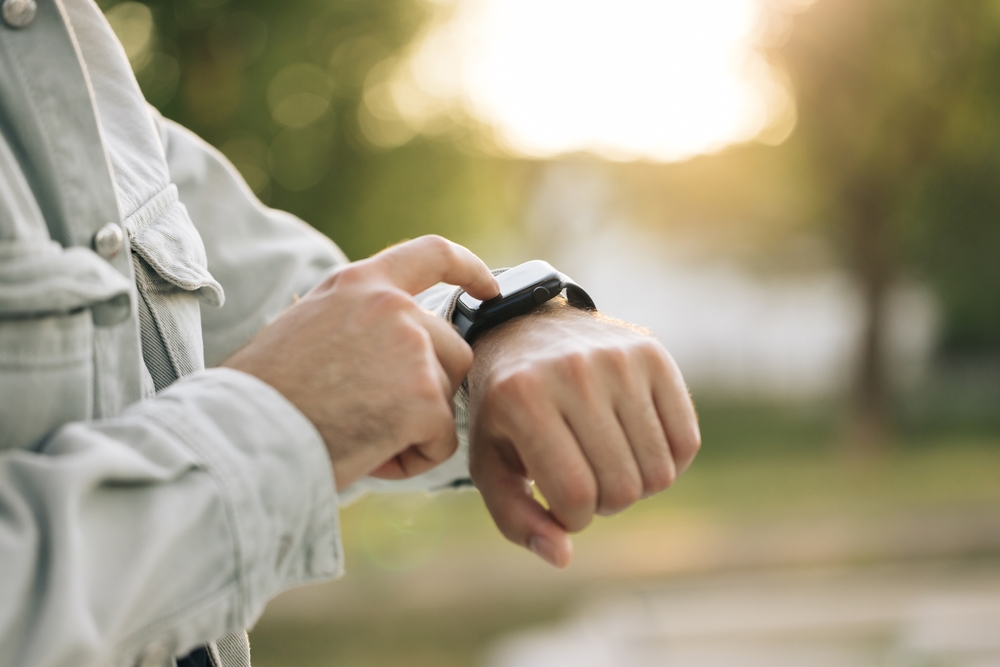
In 2023, 36% of Australians owned a smartwatch, many using them to monitor exercise and their health. For people with diabetes, these devices offer extra insights into daily habits. But can we trust the numbers they show, and how much should we rely on them for diabetes care?
What can smart wearables track?
Smart wearables have gone beyond just counting steps. Depending on the device, they can track physical activity and exercise, heart rate, sleep, and VO₂max, among other metrics.
- Physical activity: Wearables use built-in motion sensors to count steps, distance, and calories burned. You can choose preset options or set your own goals, with 10,000 steps a popular target. Many devices also track activities like walking, running, cycling, or gym workouts, either automatically or when selected. Some measure VO₂max, showing how well your body uses oxygen during exercise. Like sleep tracking, this can help people monitor improvements over time, but the actual result may not be accurate.
- Heart rate: Most smart wearables measure heart rate with a light sensor on the back of the device, using a method called photoplethysmography (PPG). The sensor shines light on your skin and checks blood flow to estimate your pulse.
- Sleep: Wearables estimate sleep by tracking movement, heart rate, and breathing at night. They use photoplethysmography to estimate sleep stages such as light, deep, and REM. However, these are only estimates. Unlike lab sleep studies, wearables cannot measure brain waves, eye movements, or muscle tone, so their results are less accurate. Sleep data from wearables should be seen as a general guide to patterns and trends, not exact or clinical measurements.
- Stress and recovery: Some smart wearables estimate stress and recovery using metrics such as heart rate variability, heart rate, and activity patterns. This information gives a general idea of how your body might be handling physical and mental stress, but it is not a direct measurement.
Why do people use them?
Fitness culture has grown significantly in recent years, and the wearable market has grown with it. Wearables help motivate people by giving feedback on activity levels, progress towards goals, and overall health habits.
Seeing progress over time encourages people to stay active and maintain healthy routines. Research shows fitness-focused digital platforms can increase motivation and help people stay physically active.
Social media has also contributed to the popularity of wearable technology, with users posting their workouts from apps like Strava straight to Instagram Stories. This social element to fitness tracking allows people to share progress and stay motivated.
How can they support diabetes management?
Living with diabetes can affect stress, sleep, and overall wellbeing, so managing these patterns is important in diabetes care. Wearables help people notice these patterns and see daily changes. Staying active is important for diabetes management, and wearables can remind you to move or help you set and meet exercise goals. Some smartwatches can show data from Continuous Glucose Monitors (CGMs).
CGM systems like Dexcom and Abbott send glucose readings to smartphone apps, which then display the data on compatible smartwatches. However, the watch does not measure glucose levels; it only displays information from the CGM sensor. While wearables are not a replacement for diabetes-specific technologies or medical advice, they provide useful prompts, feedback, and health insights to support daily wellbeing.
Smart wearables can be helpful, offering insights and motivation to manage your health. However, they should be seen as supportive lifestyle tools, not medical devices.
Unlike blood glucose meters and CGM devices, smart wearables are not designed to make diabetes treatment decisions. Their data is meant for general health and wellness and should not be used to diagnose, treat, or manage a medical condition.
It’s important to remember that no smartwatch, fitness tracker, or smart ring, no matter the brand, can truly or reliably measure blood glucose levels for diabetes. For the best diabetes management plan, talk to a health professional.
The growing popularity of smart wearables has also led to more scams and fake devices, like finger-clip oximeters or glucose watches that claim to measure glucose levels. This problem is made worse by the lack of regulation for these devices, unlike real blood glucose meters or CGM devices, which are tested to demonstrate accuracy for medical decisions. To learn more about how to spot scams and fake devices, visit Why the new diabetes ‘smartwatch’ is too good to be true.
If you are considering a new wearable or monitoring device, or are unsure about claims made in advertisements, you can speak with a diabetes educator by calling our helpline on 1300 001 880.