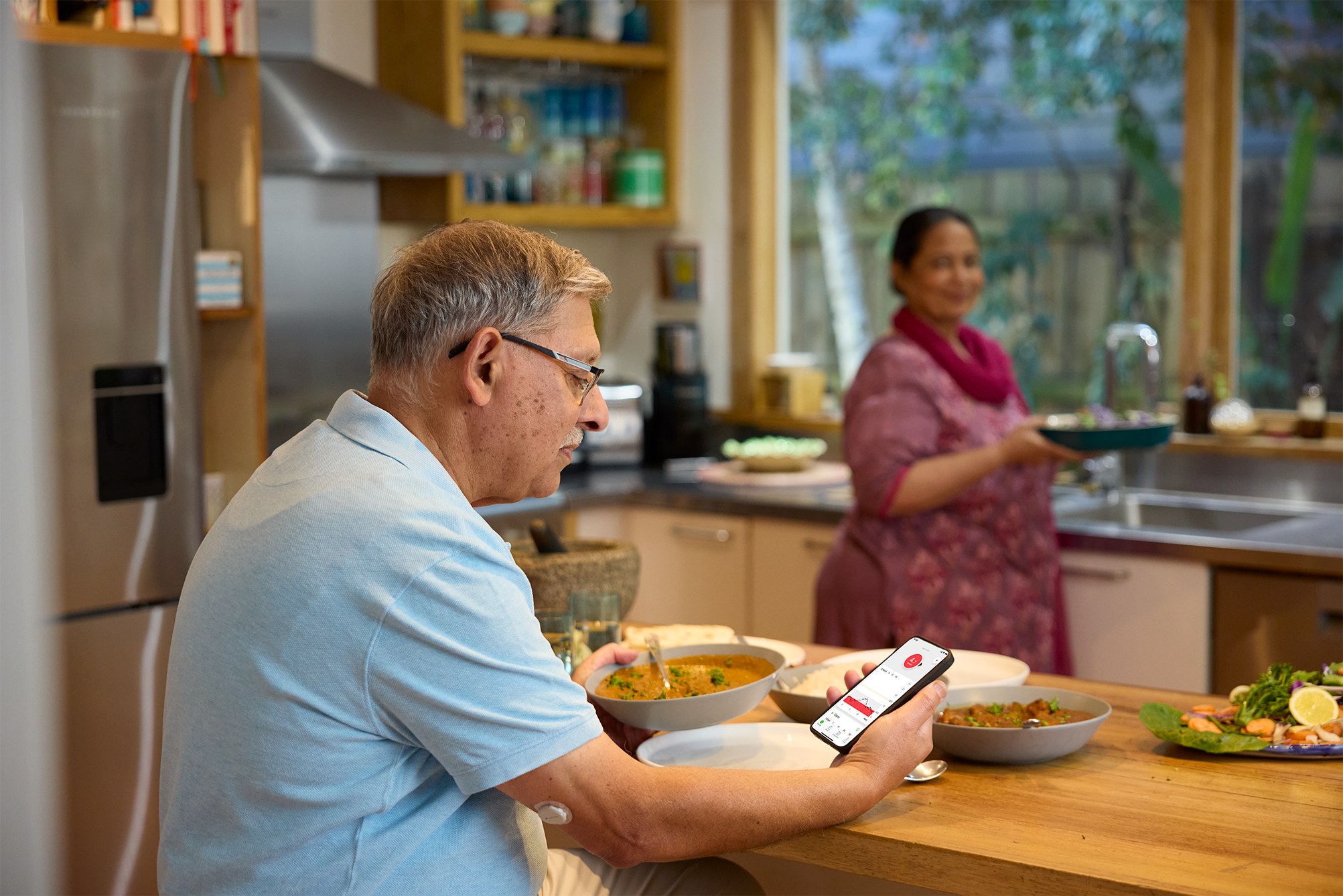

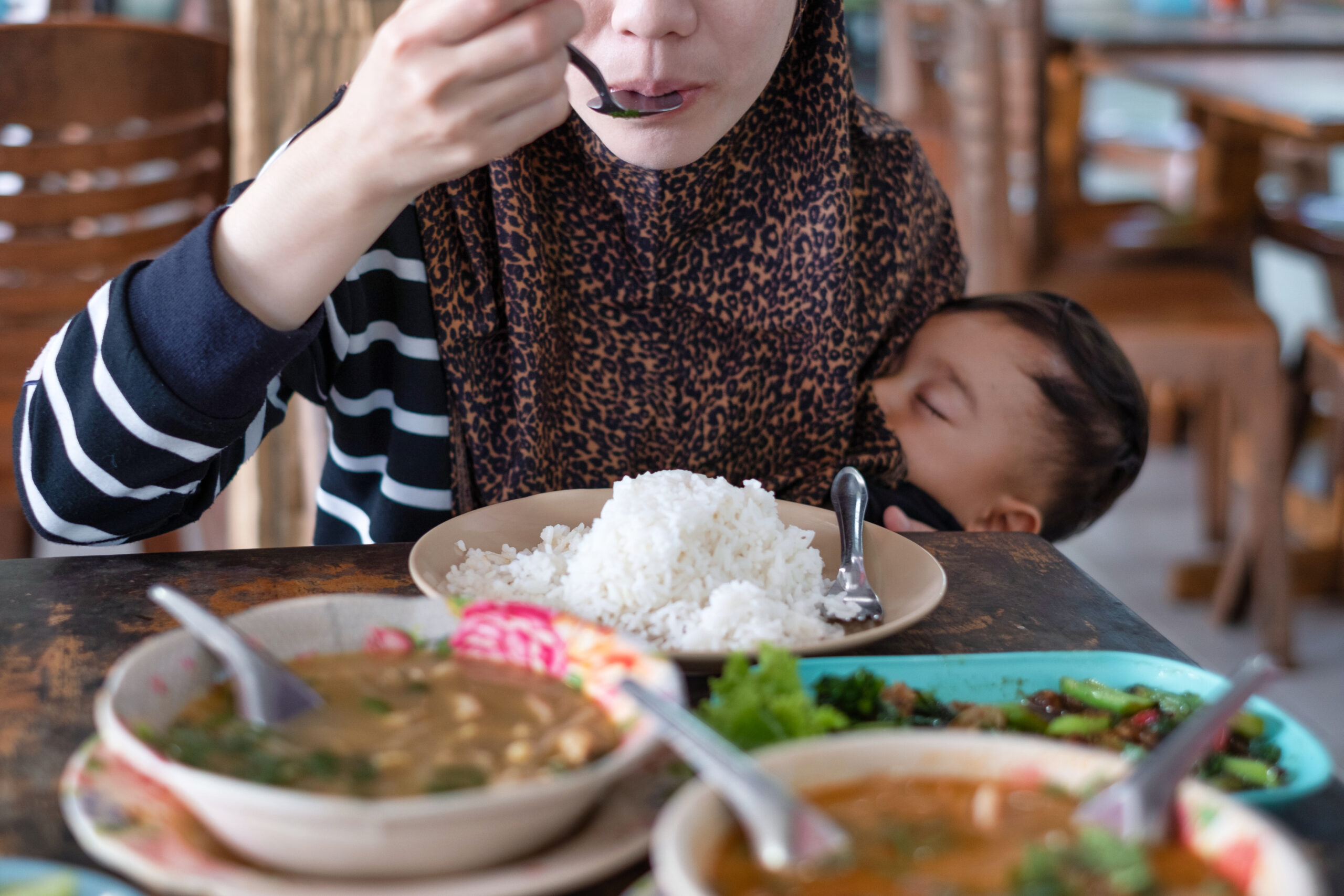
Q: “I’m heading off to Thailand after Christmas – do you have any tips on managing holiday food and eating out with diabetes?”
A: Travel is a wonderful opportunity to discover new foods, and with a bit of planning you can enjoy a few treats and come back inspired.
The good news is, you can still enjoy the delicious food that Thailand and all of Southeast Asia have to offer. But when you have diabetes, there’s a balance to be struck between eating well and enjoying delicious food.
Whether you’re eating here in Western Australia or overseas, the same principles of healthy eating apply.
Order extra veggies to balance out those carbs and try to choose low fat, high fibre and low glycaemic index foods where possible. Aim to have two servings of fruit and five serves of vegetables every day.
Enjoy lean proteins, such as skinless chicken, fish, tofu and seafood, over meats that are high in saturated fat, and consider stir-fried dishes as a way of including meat and vegetables in your diet. Grilled fish is a great source of protein and healthy fats.
It’s easy to eat too much rice or noodles. When meals are served with jasmine rice, which is high GI, eat only a small serving to minimise the impact on your blood glucose levels.
Watch portion sizes and try to fill half of your plate with veggies.
Being physically active on holidays will help you to manage your blood glucose levels, blood cholesterol and blood pressure. Take the opportunity to enjoy a variety of physically active pursuits while on holidays – maybe take an evening walk on the beach after dinner, perform a hotel room ‘circuit workout’, go hiking or do some laps in the hotel pool.
It’s also worth considering your alcohol intake. Try to stick to two standard drinks a day, and if you like a ‘tall’ drink, ask for a diet mixer if possible. Avoid drinking on an empty stomach.
Remember to drink lots of water and drink fruit juice in small amounts.
It’s a good idea to refresh your carbohydrate counting skills if you have type 1 diabetes, or are taking insulin, in preparation for eating new foods.
Finally, remember that holidays are meant to be fun. A more flexible blood glucose target range and some “guestimation” will allow for more food experiences and a welcome break from routine.
Provided your levels are not dangerously high or low, it’s OK to relax a little and go back to your usual glucose targets once you are home. Have a fantastic time!
Got any questions before you travel? Call our helpline on 1300 001 880.
What is GI?
The Glycaemic Index, or GI, ranks carbohydrates according to their effect on blood glucose levels. The lower the GI, the slower the rise in blood glucose levels will be when food is consumed. The effect may differ from person to person.
Further reading for travel and the festive season
Packing essentials for travelling with diabetes.
Going on holiday? Talk to us about a sick day plan.
Navigating the airport with confidence when you have diabetes.
Where do I get help when the GP is closed over Christmas?