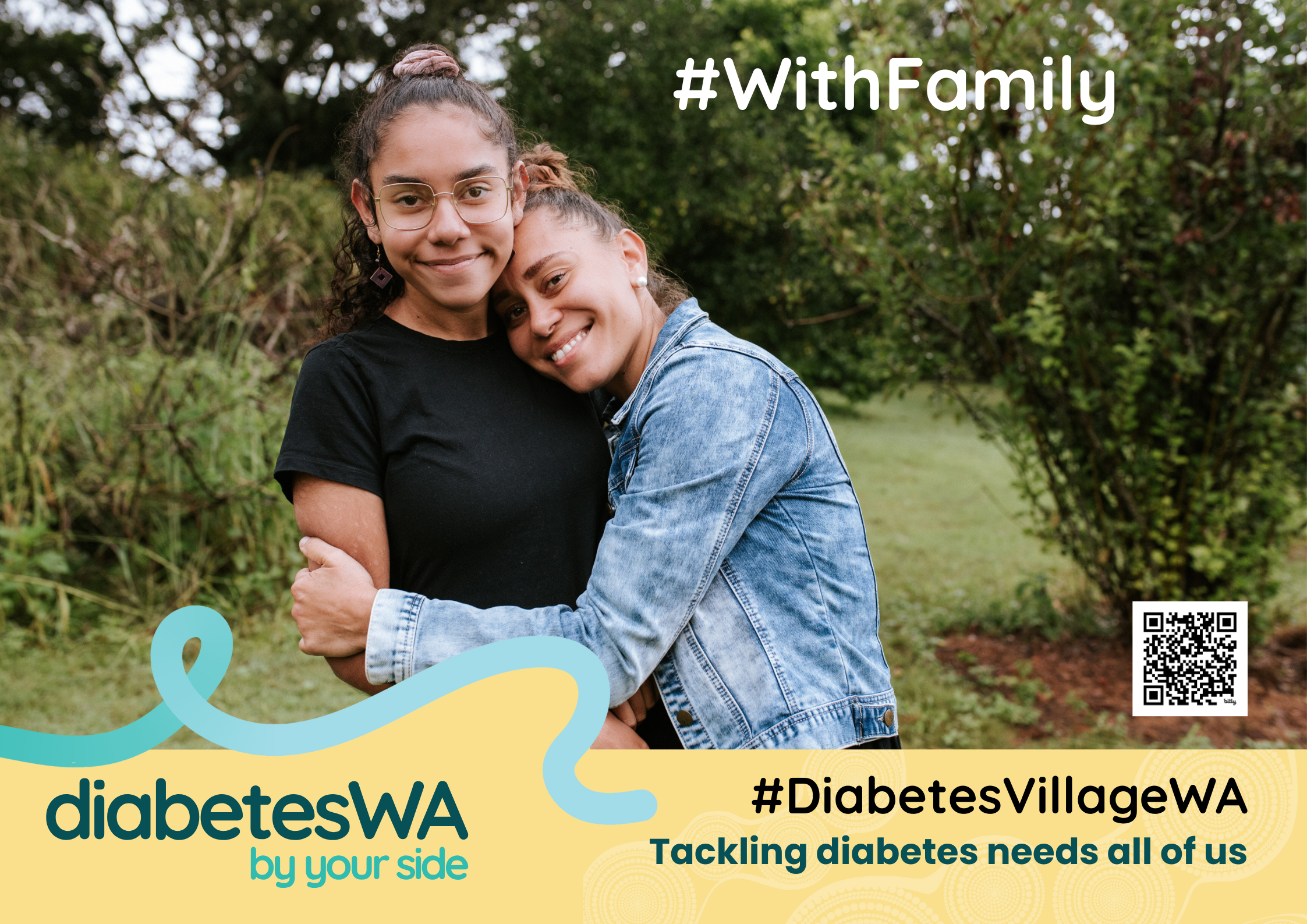


For National Diabetes Week this year (12-18 July) we’re encouraging you to grow your diabetes village. In this post, exercise physiologist CARLY LUFF explains her role in your support team.
Regular physical activity is one of the most effective ways to manage diabetes and improve your overall health.
Whether you have recently been diagnosed with diabetes or have managed the condition for many years, it’s never too late to experience the benefits of regular physical activity. If you would like some support, an exercise physiologist can help you tailor an individual program.
Accredited exercise physiologists (or AEPs) are university-qualified allied health professionals who specialise in prescribing evidence-based exercise programs for people living with chronic health conditions, including diabetes.
Exercise is a powerful, evidence-based tool for managing blood glucose levels, improving insulin sensitivity and reducing the risk of diabetes-related complications. Many people also find that regular exercise makes everyday activities easier and improves their overall quality of life.
With the guidance of an exercise physiologist, you can exercise safely, build confidence and achieve better long-term health outcomes.
Every exercise program is individually tailored to your health, fitness level, lifestyle and personal goals, ensuring you can exercise safely and effectively.
A personalised exercise program can also help improve cardiovascular fitness, increase strength and mobility, support healthy weight management, boost energy levels and enhance emotional wellbeing.
Exercise and blood glucose levels
One of the key benefits of working with an AEP is learning how exercise affects your blood glucose levels. Physical activity can cause blood glucose to rise or fall depending on the type, intensity and duration of exercise, as well as your medications and food intake.
Your exercise physiologist can teach you how to monitor and manage your blood glucose before, during and after exercise, helping to reduce the risk of both hypoglycaemia and hyperglycaemia.
If you are living with diabetes-related complications such as neuropathy, heart disease or joint pain and reduced mobility, an AEP can modify your exercise program to suit your individual needs. Our expertise ensures that exercise remains safe, effective and appropriate regardless of your current fitness or health status.
With the support of an AEP, you can develop the knowledge, skills and confidence to make exercise a safe, enjoyable and sustainable part of your diabetes management plan.
Remember, you don’t have to figure this out on your own — our exercise physiologists are by your side, helping you find what works for you.
Would you like support from an exercise physiologist?
You can book an appointment with an exercise physiologist here at Diabetes WA.
Diabetes WA also offers Beat It, an eight-week group exercise and lifestyle program that offers balance-based exercises.
Beat It is suitable for people with both type 1 and type 2 diabetes, is available online and face to face, and is offered free on behalf of the NDSS.
Call the Diabetes WA Helpline on 1300 001 880 with any questions about exercise or to make an appointment with an exercise physiologist.
For National Diabetes Week this year (12-18 July) we’re encouraging you to grow your diabetes village.
You can find all our National Diabetes Week resources here.