
Diabetes educator and ShopSMART facilitator Dr CHARLOTTE ROWLEY answers this often-asked question.
A regular comment I hear on the Diabetes WA Helpline is that there should be a dedicated supermarket aisle for people living with diabetes. While I understand the ease this would bring to shopping, the food in the diabetes aisle would be just as varied as every other aisle.
Let’s look at some guiding principles when you are shopping, so you don’t have to scan hundreds of food labels.
What foods are helpful for people living with diabetes?
This is a common question, and it can be difficult to give a specific answer. This is because we all have different nutritional needs, and there is no one diet for everyone living with diabetes. However, in general, we try to increase the amount of healthy, unprocessed foods and minimise highly processed foods in our diet.
But what does this actually mean? All foods are processed to some extent, unless you go out to your garden and pick the fruit off the tree yourself. But we want to avoid foods that no longer resemble their original state as a plant or animal. If you look at a food and can’t tell what it’s made from, perhaps it isn’t an everyday food.
Low or minimally processed foods include milk, plain yoghurt (Greek, natural), oats, fresh or frozen fruit and vegetables, tinned vegetables, eggs, fresh or frozen fish, lean meats and chicken and raw or roasted nuts and seeds.
Highly processed foods include soft drinks, lollies, cakes, chocolate, pastries, sugary cereals like Nutri Grain, Coco Pops and Crunchy Nut Cornflakes, processed meats such as chicken nuggets, hot dogs, salami, pastrami and fast food.
Why should we try to limit processed foods?
Processed foods are generally higher in sugar, salt, unhealthy fats and energy, all of which can increase the risk of health issues such as heart disease and insulin resistance (which is a key issue in type 2 diabetes.)
Highly processed foods are also low in fibre and nutrients. It’s like using lard to fuel your Ferrari – you’re going to feel sluggish and in need of the mechanic – stat!
So, next time you go shopping, take a moment to think about the work (and the manufacturing) that goes into your food. A handful of carrots, picked from the ground, washed and thrown into bags, is a low processed food. A packet of pasta has undergone some processing, but good pastas are based on wheat flour, olive oil and a pinch of salt, without many other ingredients added. The serving size matters more here.
A box of Nutri Grain – well, I think we can agree that nothing in nature resembles that super-sweet, brick-like structure! While it is also made of wheat flour, it has many more ingredients than pasta, including at least four different sources of sugar.
So, why not just put all the minimally processed foods in one aisle?
Well, that aisle would include foods from the meat section, eggs and dairy section, fresh fruit and vegetables, tinned fruits and vegetables, frozen foods and other staple foods – it’s going to be a long aisle!
One place to find a range of minimally processed foods is your local farmers’ market. I love shopping at the weekly Subiaco Farmers’ Market because I can talk to the growers, and the foods are in season, fresh and, in my opinion, taste better.
Aside from the fresh food stalls to grab your fruit and vegetables, there are local businesses that create their own foods, including fresh breads, pasta and pasta sauces, to add to your meal plans. Again, you can talk to the stall holders about their ingredients and processes, so you have a better idea of how healthy your meals are.
You can find some local Perth farmers market here.
What’s on the label?
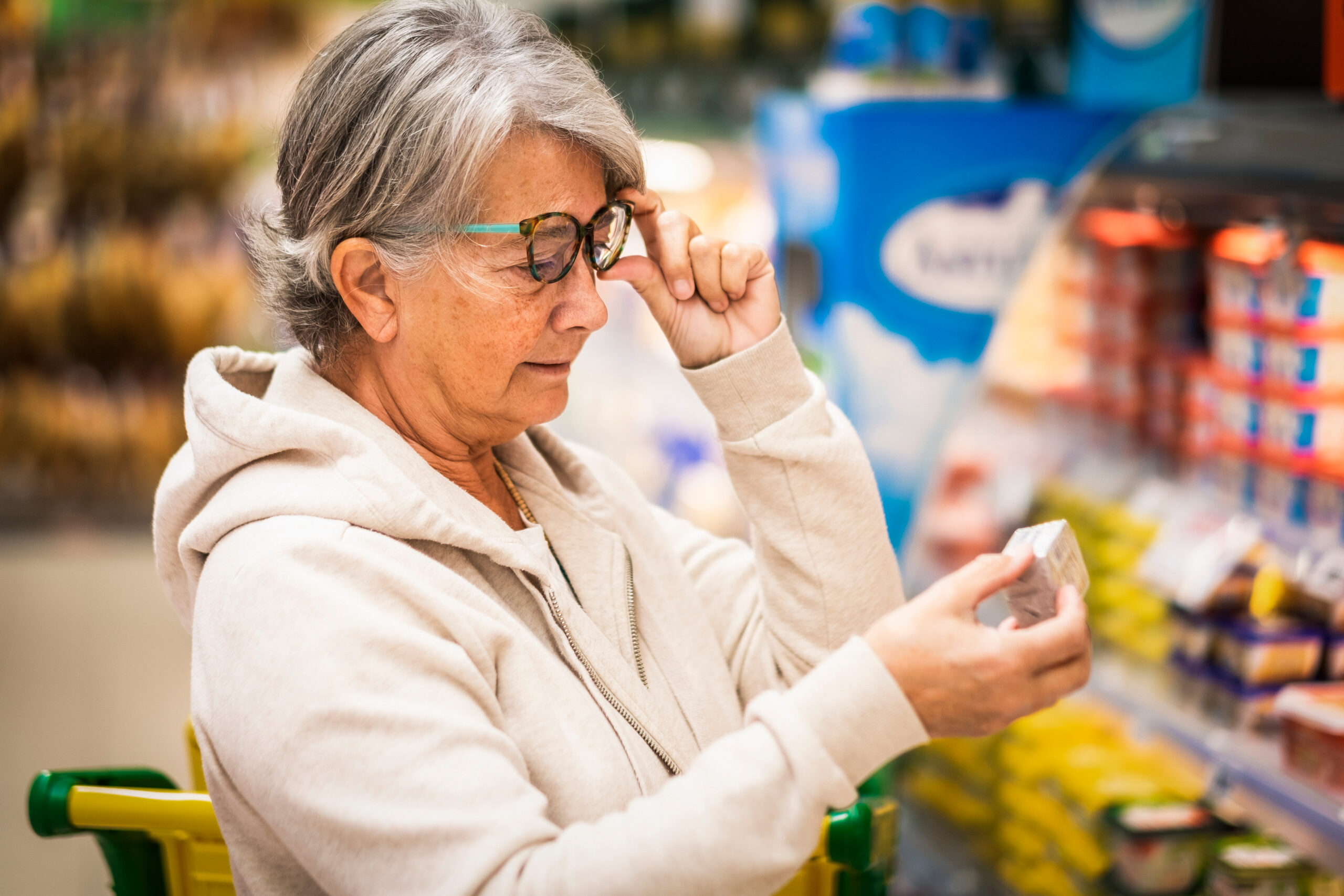
Ok, so now we know the basics about putting our shopping list together, it’s time to think about the nitty gritty – label reading.
Label reading can be a very confusing task, and if you go online, you’ll notice differences in the recommendations between different sources.
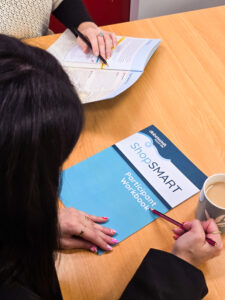
Here at Diabetes WA, we help people to learn to read labels through our ShopSMART program.
The NDSS also has a label-reading guide that you can find here.
Lastly, I have a shortcut to recommend. There are two apps that will do the label reading for you: Food Switch and Yuka. Both allow you to scan the barcode of the food you are considering and give you an easy-to-understand rating.
Yuka gives you a score out of 100 with a colour coded (traffic light) visual depiction. Food Switch uses the star system but adds ‘healthier choices’ recommendations, so you don’t need to scan multiple foods to find the healthiest choice within the category you’re looking at – the app will tell you.
Remember, though, no foods are completely off limits for people living with diabetes. There are some foods we should eat less often (like cake and chips) and foods we should try to include every day (vegetables and protein foods), but really, the whole supermarket is suitable for people with diabetes.
Do you want to learn more about food choices and managing your diabetes?
ShopSMART helps you make more confident choices at the supermarket. Learn how to read food labels, compare products and choose foods that support your diabetes and overall health. ShopSMART is for people living with all types of diabetes.
You can find all our upcoming program dates and locations here.