
We welcome donations of all sizes, and opportunities to fundraise for us come up at all stages throughout the year. If you are passionate about a fundraising idea, get in touch and we can help make it come to life
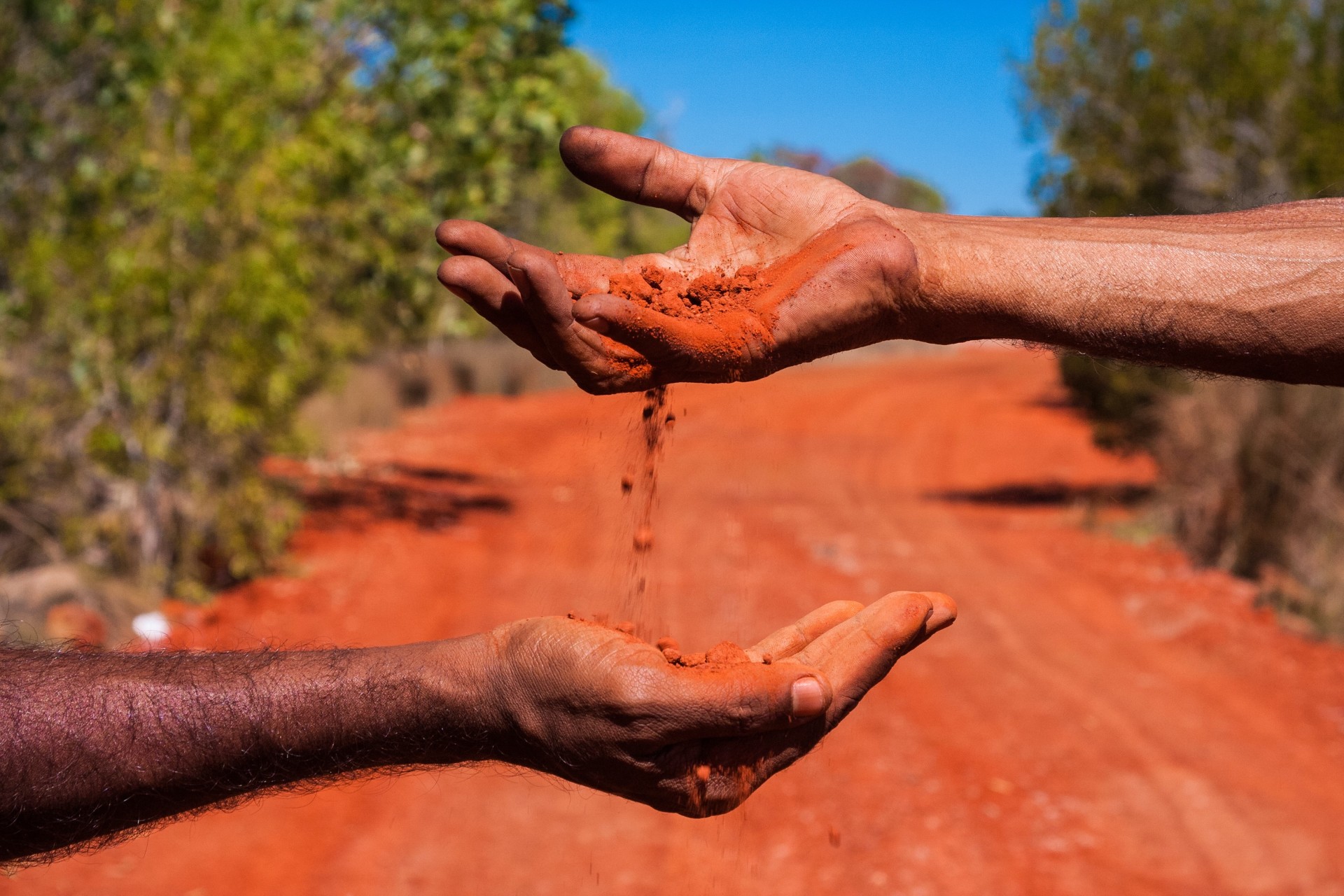

We pay respects and acknowledge the important role of Elders past and present, for they hold the memories of the traditions, cultures, and aspirations of Australia’s First Nations peoples, and have taken on the responsibility to protect and promote our culture and leave a legacy for future Elders and leaders.
We acknowledge any Sorry Business that may be affecting individuals, families, and communities at this time.
As an organisation, we understand the impact that diabetes has on Aboriginal and Torres Strait Islander peoples across Australia and as such we promise to be respectful, take lead from the community and walk together with Aboriginal and Torres Strait Islander peoples, communities, and organisations in our journey to reducing the impact of diabetes for the First Peoples of Australia.
Stay up-to-date with all the latest news, information and research about diabetes




















The Diabetes WA Helpline can be accessed between 8:30am – 4:30pm on 1300 001 880
Various 24-hour telephone services are available to assist people or provide referral to services which can help. For more information on these and other health services, call Healthdirect Australia on 1800 022 222.
People in rural and remote parts of the state can also call RuralLink or 1800 552 002.
Diabetes WA Telehealth for Country WA service is a free education and clinical support service, free to people living with diabetes in rural and remote areas of Western Australia. Virtual appointments are provided by credentialled diabetes educators who can assist you to self-manage your diabetes.
The Diabetes WA Clinic is a person-centred service designed to support you to self-manage your diabetes. One on one appointments are available both online via telehealth and face to face at our Subiaco location with a credentialled diabetes educator.
Our diabetes education events are designed to help people living with diabetes and their families learn more about how to manage diabetes to stay well and healthy.
Our events include sessions on topics ranging from blood glucose monitoring to healthy eating and carbohydrates, weight management, exercise, looking after your feet, managing your emotional wellbeing and much more.
As Western Australia’s Peak Body for diabetes, Diabetes WA offers a suite of training programs combining the latest in evidence-based recommendations in diabetes care with self-management principles.
Training programs are created and delivered by a team of credentialed diabetes educators who bring their experience and local knowledge from working with the unique and varied regions across Western Australia.
Diabetes WA works to educate, inform, support and advocate on behalf of the thousands of West Australians living with diabetes. Today we are the state’s peak body for people living with diabetes. This essential work cannot be achieved alone, and there are a number of ways in which you can get involved.
We welcome donations of all sizes, and opportunities to fundraise for us come up at all stages throughout the year. If you are passionate about a fundraising idea, get in touch and we can help make it come to life

We welcome donations of all sizes, and opportunities to fundraise for us come up at all stages throughout the year. If you are passionate about a fundraising idea, get in touch and we can help make it come to life

As a valued member of Diabetes WA, you will gain access to a community, informative resources, support services and educational programs tailored to help you on your diabetes journey and enhance your overall health and wellbeing.
As a valued member of Diabetes WA, you will gain access to a community, informative resources, support services and educational programs tailored to help you on your diabetes journey and enhance your overall health and wellbeing.

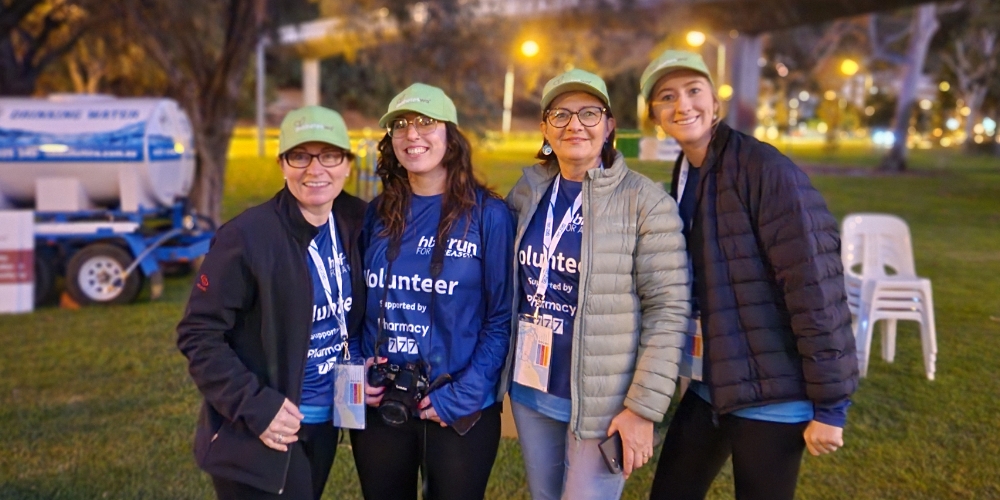
Diabetes WA relies on our volunteers* for several activities and programs. As a volunteer, you will act as an advocate and an ambassador for our organisation, embodying our values to help us to optimise the use of our funding.
Diabetes WA relies on our volunteers* for several activities and programs. As a volunteer, you will act as an advocate and an ambassador for our organisation, embodying our values to help us to optimise the use of our funding.

Diabetes WA has developed a number of partnerships with organisations across Western Australia. These partnerships provide us with the support we need to continue our work in advocating for better diabetes care. We partner with those who share our vision for sustainable, cost-effective, equitable and consumer-driven health services.
Diabetes WA has developed a number of partnerships with organisations across Western Australia. These partnerships provide us with the support we need to continue our work in advocating for better diabetes care. We partner with those who share our vision for sustainable, cost-effective, equitable and consumer-driven health services.

Leaving a bequest to Diabetes WA is a way to make a meaningful and lasting impact on the lives of those living with diabetes. Your gift can make a difference in the lives of people affected by diabetes, helping to improve their health outcomes and quality of life.
Leaving a bequest to Diabetes WA is a way to make a meaningful and lasting impact on the lives of those living with diabetes. Your gift can make a difference in the lives of people affected by diabetes, helping to improve their health outcomes and quality of life.
We employ some bright minds at Diabetes WA, and we are always on the lookout for more.
Our team is a dynamic group of individuals, dedicated to the cause of improving the lives of those affected by diabetes. For many of us, that cause is also a personal one. Whilst many of our staff have a personal connection to or a lived experience with diabetes our organsation welcomes everyone who values aligns with ours.
We employ some bright minds at Diabetes WA, and we are always on the lookout for more.
Our team is a dynamic group of individuals, dedicated to the cause of improving the lives of those affected by diabetes. For many of us, that cause is also a personal one. Whilst many of our staff have a personal connection to or a lived experience with diabetes our organsation welcomes everyone who values aligns with ours.

If you are registered with the NDSS you can access a range of free diabetes self-management programs. NDSS programs include short webinars, face-to-face workshops, and comprehensive education programs.

The Diabetes WA Clinic is a person-centred service designed to support you to self-manage your diabetes. One on one appointments are available both online via telehealth and face to face at our Subiaco location with a credentialled diabetes educator. Read More

As Western Australia’s Peak Body for diabetes, Diabetes WA offers a suite of training programs combining the latest in evidence-based recommendations in diabetes care with self-management principles. Training programs are created and delivered by a team of credentialled diabetes educators who bring their experience and local knowledge from working with the unique and varied regions across Western Australia.


